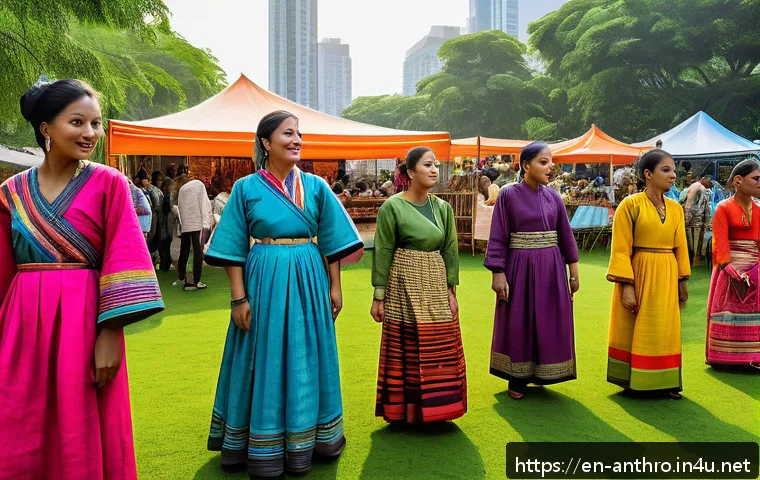
In a world that’s constantly evolving with new technologies and fast-paced lifestyles, it’s easy to overlook the enduring significance of cultural traditions.
Yet, these time-honored practices continue to shape our identities and foster community connections in ways modern trends often can’t replicate. Recently, there’s been a renewed interest in preserving and adapting these traditions to fit contemporary life, highlighting their timeless relevance.
From festive rituals to everyday customs, understanding their role helps us navigate today’s complexities with a deeper sense of belonging. Join me as we explore how cultural heritage remains a powerful force, enriching modern society in unexpected ways.
Embracing Tradition in a Digital Age
Finding Balance Between Old and New
Navigating the intersection of tradition and technology is a challenge many face today. While our smartphones and social media platforms connect us globally, they often leave little room for the slower, more intentional practices rooted in culture.
I’ve noticed that when people intentionally carve out moments to engage in traditional activities—whether it’s cooking a family recipe or participating in a local festival—they experience a refreshing sense of grounding.
It’s like pressing pause on the digital noise to reconnect with what truly matters. This balance isn’t about rejecting modernity but integrating heritage into our fast-paced lives in a meaningful way.
Tech Tools Reviving Cultural Practices
Interestingly, technology can also be a powerful ally in preserving cultural heritage. Apps that teach endangered languages or virtual tours of historic sites make traditions accessible to younger generations who might otherwise drift away.
I’ve personally tried language-learning apps that incorporate traditional stories and songs, and it’s a deeply enriching experience that feels personal rather than mechanical.
Social media, too, has become a platform where communities share rituals and celebrations, inviting outsiders to appreciate and respect diverse customs.
This fusion of tech and tradition is reshaping how culture is passed down.
Community Spirit in Urban Settings
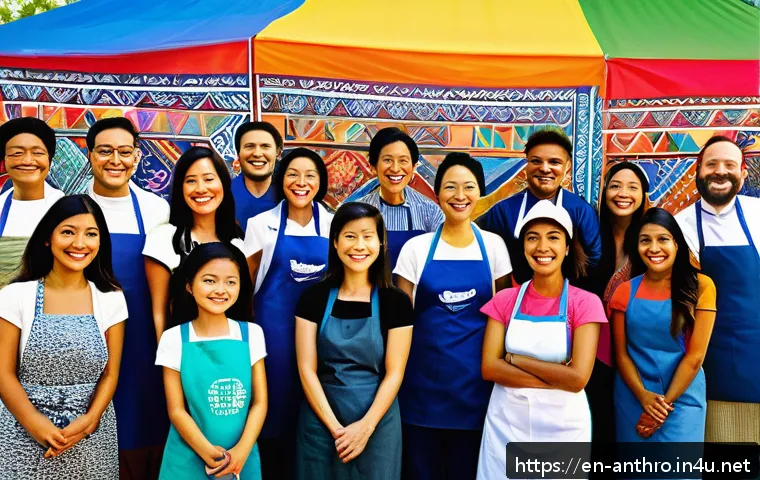
Even in bustling cities, cultural traditions create pockets of connection that foster a sense of belonging. Neighborhood block parties, cultural dance classes, and local food markets serve as gathering points where heritage is celebrated collectively.
From my own experience attending a city’s annual cultural fair, I realized how these events bring together people from vastly different backgrounds, united by shared rituals and stories.
Such gatherings not only preserve traditions but also promote understanding and empathy across communities, enriching urban life beyond the usual rush.
Traditions as a Source of Identity and Resilience
Roots That Ground Us
Cultural traditions act as an anchor in times of uncertainty. I remember during a stressful period, participating in a family ritual provided a comforting routine that helped me regain perspective.
These practices often carry generations of wisdom and values that remind us of who we are and where we come from. This deep connection to our roots strengthens personal identity and can boost emotional resilience.
In a world where change is the only constant, holding onto such rituals offers stability and a sense of continuity.
Passing Down Values Through Generations
Traditions are more than just actions; they’re vehicles for imparting values like respect, gratitude, and community spirit. When children engage in cultural customs, they absorb lessons that shape their character and worldview.
I’ve seen families use storytelling as a way to teach younger members about history and morality, making these lessons both memorable and meaningful. This generational transfer of knowledge fosters a shared identity and helps preserve the essence of a culture even as it adapts over time.
Cultivating Emotional Connections
Participating in traditional ceremonies or celebrations often evokes powerful emotions—joy, nostalgia, pride—that bind individuals together. These shared experiences create lasting memories and reinforce social bonds.
I recall how attending a traditional wedding, even as an outsider, made me feel included and connected to the community. Such emotional ties are vital in building trust and cooperation within groups, which in turn supports collective well-being and cultural continuity.
Revitalizing Festivals for Modern Audiences
Innovative Approaches to Celebration
Many cultural festivals have evolved to remain relevant and engaging for today’s audiences. Organizers are incorporating contemporary music, interactive workshops, and digital storytelling to draw in younger participants without losing the festival’s core meaning.
From my observation, blending innovation with tradition creates a dynamic atmosphere where heritage feels alive and inviting rather than outdated. This approach helps festivals become not just events but immersive cultural experiences that resonate widely.
Economic Impact and Community Development
Festivals rooted in tradition can also drive local economies by attracting tourism and promoting artisanal crafts. I recently attended a cultural market where traditional artisans showcased handmade goods alongside modern designs inspired by heritage.
This fusion appealed to a broad range of visitors, boosting sales and raising awareness of cultural craftsmanship. Supporting such events empowers communities economically while ensuring that traditional skills and knowledge continue to thrive.
Environmental Consciousness in Traditional Practices
A growing trend involves adapting cultural festivals to align with sustainability principles. Many communities now emphasize eco-friendly materials, waste reduction, and conservation efforts during celebrations.
From what I’ve seen, this not only preserves the environment but also honors ancestral respect for nature embedded in many traditions. This conscious adaptation demonstrates how age-old customs can evolve responsibly, reflecting contemporary values without losing their spiritual essence.
Everyday Customs: Small Rituals with Big Meaning
Daily Habits That Connect Us
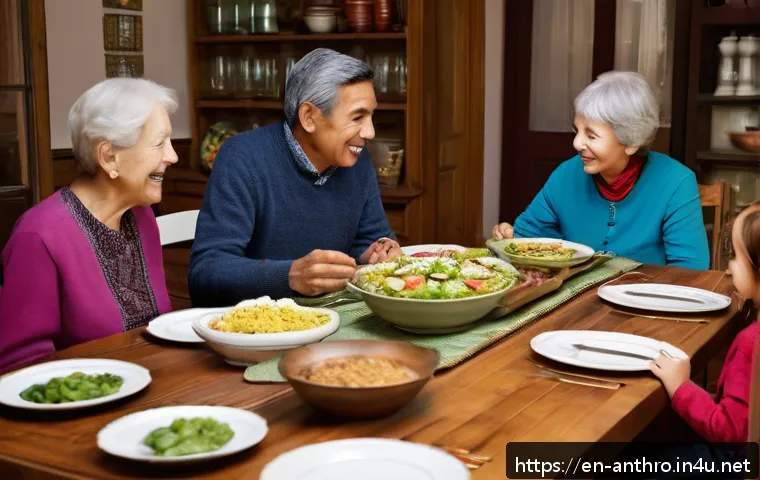
Not all traditions are grand or ceremonial; many are simple daily habits that quietly reinforce cultural identity. For example, sharing meals prepared with recipes passed down through generations creates a sense of continuity and care.
In my household, the act of gathering around the dinner table is a cherished ritual that strengthens family bonds and conveys cultural pride. These small customs accumulate over time, building a rich tapestry of shared meaning in everyday life.
Symbolism in Routine Practices
Everyday rituals often carry symbolic significance that transcends their practical purpose. Lighting candles during certain times, wearing specific colors, or using particular greetings can convey respect, protection, or blessings.
When I first learned the stories behind these symbols, my appreciation for such routines deepened significantly. Understanding their meaning transforms mundane actions into mindful practices that nurture identity and communal ties.
Adapting Customs in Multicultural Settings
In increasingly diverse societies, traditional customs often blend or adapt to accommodate different cultural influences. I’ve witnessed how immigrant families maintain their heritage while embracing new cultural elements, creating hybrid traditions that reflect their unique experiences.
This fluidity enriches cultural expression and fosters inclusivity, allowing traditions to thrive in evolving social landscapes rather than becoming static relics.
Preserving Language as Cultural Backbone
Language as a Vessel of Culture
Language carries the nuances of culture—idioms, proverbs, and expressions that encapsulate worldview and history. Losing a language often means losing a critical part of cultural identity.
In my community, efforts to revive endangered languages through classes and digital media have sparked renewed pride and curiosity among younger generations.
This revival isn’t just about communication but reconnecting with ancestral wisdom embedded in linguistic heritage.
Challenges in Language Preservation
Despite passionate efforts, preserving minority languages faces hurdles like limited resources, urbanization, and dominant language pressures. I’ve spoken with educators who struggle to keep students engaged when the language isn’t used outside the classroom.
Innovative approaches, such as integrating language into music, games, and social media, have shown promise in overcoming these challenges by making learning enjoyable and relevant.
Language as a Bridge Across Generations
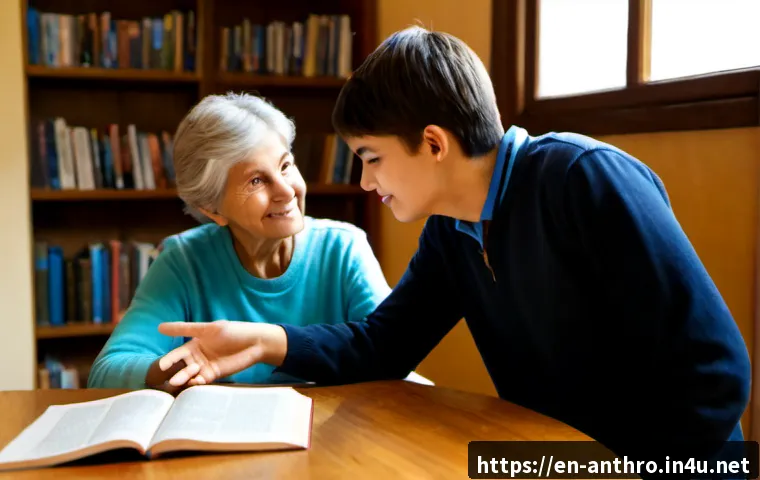
Using native languages within families strengthens intergenerational bonds and transmits cultural values naturally. I recall how grandparents telling stories in their mother tongue created a warm, immersive environment that fostered respect and curiosity.
This practice not only preserves language but also nurtures empathy and identity, creating a living connection between past and present.
Traditional Arts Breathing New Life
Craftsmanship in Contemporary Contexts
Traditional arts like weaving, pottery, and painting are finding new audiences through contemporary reinterpretations. Artists today blend classic techniques with modern aesthetics, making cultural art forms relevant and appealing.
I had the chance to visit a gallery showcasing such works, and the fusion of old and new was striking—each piece telling a story that bridges generations while pushing creative boundaries.
Education and Skill Transmission
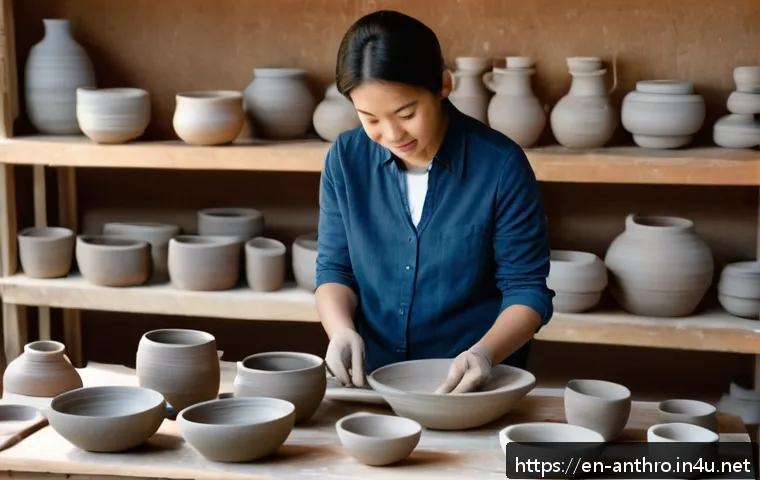
Workshops and apprenticeships play a crucial role in passing down artistic skills. I’ve participated in a pottery class led by a master artisan, where hands-on learning fostered not just technique but appreciation for cultural significance.
These educational experiences build both competence and connection, ensuring traditions endure through active practice rather than static display.
Economic Empowerment Through Art
Traditional arts also offer economic opportunities for communities, particularly when artisans gain access to broader markets. Fair-trade initiatives and online platforms enable creators to sustain livelihoods while preserving cultural heritage.
I’ve supported several such initiatives and witnessed how financial independence empowers artisans to continue their craft with pride and innovation.
Table: Examples of Cultural Traditions Adapting in Modern Life
| Tradition | Modern Adaptation | Community Impact |
|---|---|---|
| Language Revitalization | Mobile apps and online courses | Increased youth engagement and cultural pride |
| Festivals | Incorporation of digital storytelling and eco-friendly practices | Expanded audiences and environmental awareness |
| Traditional Crafts | Contemporary design fusion and e-commerce platforms | Economic empowerment and cultural preservation |
| Family Rituals | Blending of multicultural elements in daily customs | Strengthened intergenerational bonds and inclusivity |
| Cultural Gatherings | Virtual participation and social media sharing | Broader community connection and cultural education |
Building Bridges Through Shared Heritage
Fostering Cross-Cultural Understanding
Cultural traditions often serve as gateways to empathy and mutual respect between different groups. When people share their customs openly, it invites curiosity and dialogue.
I’ve found that attending multicultural events where traditions are showcased fosters a genuine appreciation for diversity, breaking down stereotypes and building friendships.
These shared experiences remind us of our common humanity beneath surface differences.
Globalization and Cultural Exchange
In today’s interconnected world, traditions are no longer confined to geographic borders. Globalization facilitates cultural exchange that enriches everyone involved.
For instance, food, music, and dance from one culture can inspire others, creating vibrant, hybrid expressions. While this can sometimes raise concerns about cultural appropriation, respectful exchange—grounded in knowledge and consent—offers powerful opportunities for growth and understanding.
Preserving Tradition Amid Change
Even as cultures evolve, the core values embedded in traditions provide a foundation for adapting without losing essence. I’ve seen communities actively discuss how to honor their heritage while embracing change, ensuring traditions remain relevant and inclusive.
This ongoing dialogue between past and present is vital for sustaining vibrant cultural identities that resonate across generations and contexts.
In Conclusion
Embracing tradition in today’s fast-paced world allows us to stay connected to our roots while navigating modern challenges. Integrating cultural practices with technology and community efforts creates a richer, more meaningful experience for everyone. By honoring heritage and adapting thoughtfully, we ensure traditions continue to inspire identity, resilience, and unity across generations.
Useful Information to Keep in Mind
1. Balancing tradition with technology can enhance cultural preservation without sacrificing modern convenience.
2. Community events and festivals play a vital role in fostering belonging and economic growth.
3. Daily rituals, even small ones, contribute significantly to maintaining cultural identity.
4. Language preservation is essential for keeping cultural wisdom alive and accessible.
5. Respectful cultural exchange promotes understanding and enriches global connections.
Key Takeaways
Cultural traditions are dynamic, not static, blending heritage with innovation to stay relevant. Technology can serve as a bridge rather than a barrier, helping pass down languages and customs to younger generations. Community engagement through festivals and shared rituals strengthens social bonds and economic vitality. Ultimately, traditions provide emotional grounding and a sense of identity that supports resilience amid change, making them invaluable in both personal and collective life.
Frequently Asked Questions (FAQ) 📖
Q: uestionsQ1: Why is it important to preserve cultural traditions in today’s fast-changing world?
A: Preserving cultural traditions helps maintain a sense of identity and continuity amid rapid societal changes. These practices connect us to our roots, offer stability, and promote community bonding.
In a world where technology and trends shift constantly, traditions provide grounding values and shared experiences that nurture belonging and emotional well-being.
Q: How can cultural traditions be adapted to fit modern lifestyles without losing their essence?
A: Adaptation involves blending traditional values with contemporary contexts. For example, festivals can incorporate digital elements like virtual gatherings, or traditional crafts can be promoted through online platforms.
The key is respecting the core meaning while embracing flexibility, allowing traditions to stay relevant and engaging for younger generations without diluting their significance.
Q: What are some practical ways individuals can engage with and support cultural heritage today?
A: Individuals can participate in local cultural events, learn traditional skills, or support artisans and cultural organizations. Sharing stories and customs within families also keeps traditions alive.
Even simple actions like cooking traditional recipes or practicing customary greetings help strengthen cultural ties. Personally, I found that joining community workshops not only deepened my appreciation but also connected me with like-minded people, making the experience truly rewarding.