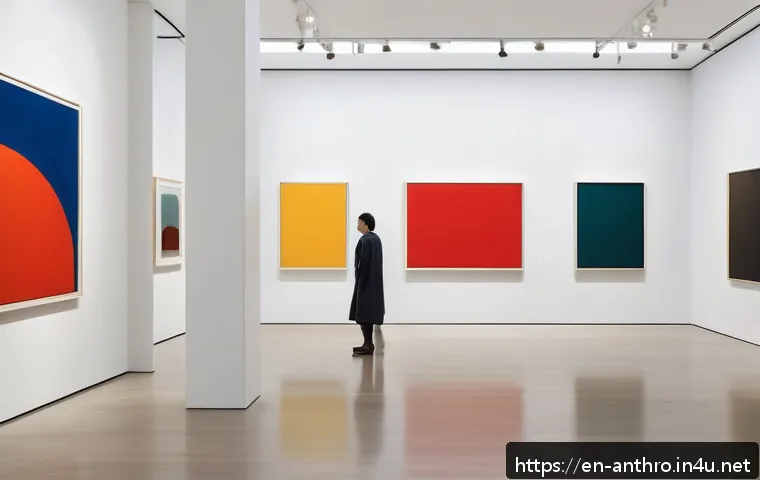
In today’s fast-evolving cultural landscape, understanding the roots of our aesthetic values offers fresh insights into how art and society intertwine.
Edward Bullough’s pioneering theories, though developed nearly a century ago, continue to influence modern interpretations of beauty and emotional response.
As we navigate trends that blend tradition with innovation, revisiting Bullough’s ideas helps us grasp the deeper layers behind cultural expression. Whether you’re an art enthusiast or simply curious about the forces shaping our visual world, this exploration promises to shed light on a legacy that quietly shapes what we find meaningful today.
Stick around as we unlock the fascinating connections between Bullough’s work and contemporary cultural aesthetics.
The Emotional Landscape Behind Artistic Experience
Understanding the Role of Psychological Distance
When engaging with art, one of the most fascinating elements is the way our emotional responses shift based on psychological distance. This concept suggests that when we perceive something as removed from our immediate reality—whether through time, space, or context—we’re able to appreciate it differently.
For instance, witnessing a tragic scene in a painting may evoke admiration for the artistic skill or a profound sense of beauty, rather than immediate distress.
This distancing allows viewers to process emotions in a more reflective way, creating a unique blend of empathy and aesthetic appreciation. From personal experience, I’ve found that this mental buffer often transforms overwhelming feelings into thoughtful contemplation, enhancing my connection to the artwork without emotional overload.
How Ambiguity Fuels Aesthetic Engagement
Ambiguity plays a vital role in deepening our engagement with art. When an artwork presents uncertain or open-ended elements, it invites viewers to fill in the gaps with their own interpretations and emotions.
This creative participation makes the experience more personal and memorable. I’ve noticed that pieces with ambiguous themes or forms tend to linger longer in my mind, sparking curiosity and repeated viewings.
Ambiguity challenges us to embrace complexity rather than seek immediate clarity, making the aesthetic experience more dynamic and alive.
The Balance Between Emotional Involvement and Artistic Distance
Striking the right balance between emotional involvement and distance is crucial for a fulfilling encounter with art. Too much emotional immersion can lead to discomfort or distress, while excessive detachment might reduce the experience to mere observation.
Effective art often walks this tightrope, offering enough emotional resonance to engage the viewer while maintaining a safe distance that encourages reflection.
In my own encounters, works that master this balance have left the strongest impressions, blending heartfelt connection with intellectual appreciation.
The Influence of Cultural Context on Perceptions of Beauty
How Tradition Shapes Aesthetic Standards
Cultural traditions heavily influence what societies consider beautiful or meaningful in art. These inherited values act as lenses through which people interpret visual and emotional cues.
For example, the emphasis on symmetry and harmony in classical Western art contrasts with the asymmetry and impermanence valued in Japanese aesthetics.
Through traveling and exposure to different cultures, I’ve come to appreciate how deeply rooted these standards are, shaping not only artistic creation but also audience reception.
Recognizing these cultural frameworks helps decode the layers of meaning embedded within artworks.
The Dynamic Nature of Cultural Aesthetics
Cultural aesthetics are far from static; they evolve alongside societal changes, technological advances, and global exchanges. What was once considered avant-garde may become mainstream, and vice versa.
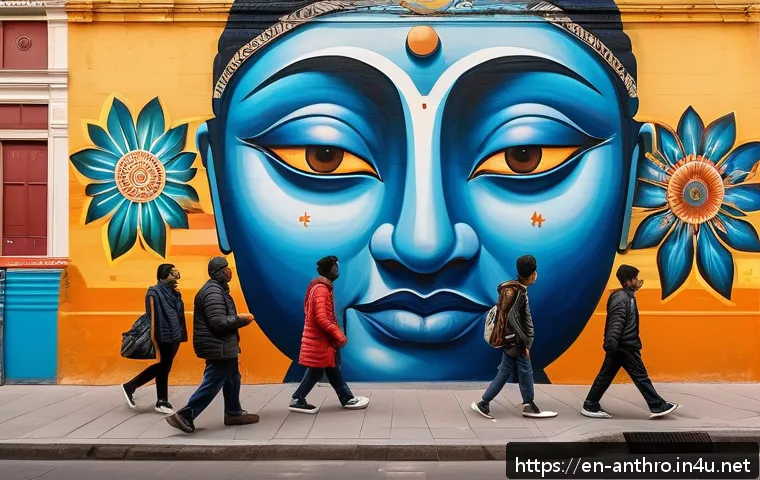
For instance, street art, once marginalized, now commands respect in galleries worldwide. This fluidity reflects broader cultural dialogues and power shifts, reminding us that beauty is often a moving target.
Experiencing these shifts firsthand, especially within diverse urban environments, reveals how culture continuously renegotiates its aesthetic priorities.
Cross-Cultural Dialogues and Artistic Innovation
The blending of cultural influences sparks innovation and fresh interpretations of beauty. When artists incorporate elements from different traditions, they create hybrid forms that challenge and expand conventional norms.
I’ve observed how global connectivity fosters these creative fusions, enabling artists to transcend geographic and cultural boundaries. This cross-pollination enriches the artistic landscape, inviting audiences to broaden their aesthetic horizons and embrace diverse perspectives.
Modern Interpretations of Emotional Response in Art
The Neuroscience Behind Aesthetic Pleasure
Recent advances in neuroscience offer intriguing insights into why certain artworks evoke pleasure or emotional intensity. Brain imaging studies reveal that engaging with art activates reward centers similar to those triggered by food or social interactions.
This biological basis helps explain the universal appeal of beauty and the emotional power of artistic expression. Personally, knowing that my emotional reactions have a neurological foundation makes the experience feel even more profound and real, bridging the gap between mind and art.
Personalization of Emotional Experiences
In today’s world, emotional responses to art are increasingly personalized, shaped by individual backgrounds, memories, and moods. Unlike standardized interpretations, each person’s aesthetic experience becomes unique and deeply subjective.
I often find that my reaction to a piece varies depending on where I am emotionally or mentally, highlighting the fluid nature of art’s impact. This personalization underscores the importance of creating art that speaks to diverse experiences rather than fixed meanings.
Technology’s Role in Shaping Emotional Connection
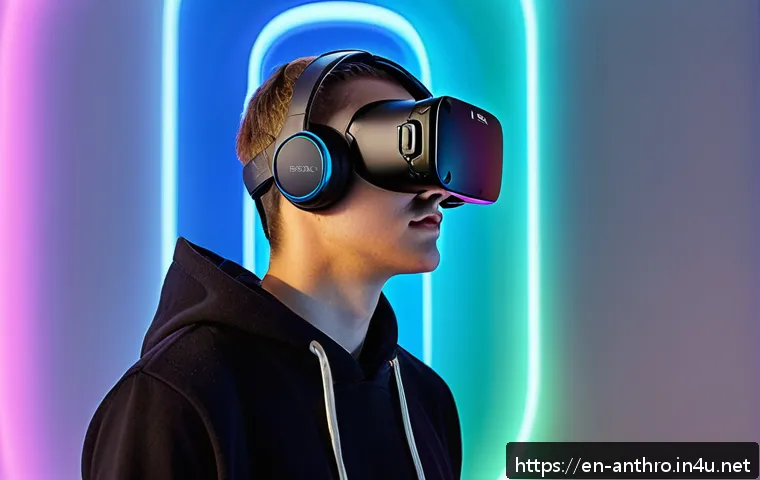
Technology has transformed how we access and engage with art, influencing emotional responses in new ways. Virtual reality, digital galleries, and interactive installations offer immersive experiences that can heighten emotional involvement.
On the flip side, screens and mediated formats sometimes create a sense of distance or detachment. Having tried VR art exhibitions, I noticed how the sensory immersion intensified my feelings, making the experience more vivid and memorable compared to traditional viewing.
The Intersection of Innovation and Tradition in Artistic Expression
Reinterpreting Classic Themes Through Contemporary Lenses
Many contemporary artists revisit traditional themes, infusing them with modern sensibilities and issues. This approach creates a dialogue between past and present, enriching both.
For example, reimagining mythological stories to address current social justice topics adds layers of relevance and urgency. From my perspective, this blend of old and new not only honors heritage but also keeps art alive and responsive to today’s world.
Balancing Respect for Heritage with Creative Freedom
Navigating the tension between preserving cultural heritage and embracing artistic freedom is a challenge many creators face. Respecting traditions provides a foundation of identity and meaning, while innovation pushes boundaries and fosters growth.
I’ve witnessed how successful artists manage this balance by deeply understanding the roots of their culture before experimenting boldly. This approach ensures that innovation feels grounded rather than disconnected.
The Role of Audience Expectations in Shaping Art
Audience expectations often influence how artists balance tradition and innovation. When viewers anticipate familiar motifs or styles, artists may feel pressure to conform.
However, challenging these expectations can lead to breakthroughs and fresh perspectives. Personally, I appreciate when artists surprise me by subverting norms, prompting reflection and expanding my understanding of both art and culture.
Emotional Distance as a Gateway to Deeper Meaning
Why Detachment Enhances Appreciation
Emotional distance doesn’t mean indifference; rather, it allows viewers to engage with art without being overwhelmed. This detachment provides space for critical thinking and deeper interpretation.
For example, when watching a tragic film, maintaining some emotional distance helps me appreciate the narrative structure, cinematography, and thematic messages instead of being consumed solely by sadness.
Techniques Artists Use to Create Psychological Distance
Artists often employ specific techniques to establish psychological distance—such as stylization, abstraction, or ironic tone—that invite reflection rather than immediate emotional reaction.
I’ve noticed that these methods encourage multiple viewings and prolonged engagement, as they challenge viewers to decode meaning gradually.
Emotional Distance in Everyday Cultural Consumption
Beyond art, emotional distance plays a role in how we consume culture daily, from news media to entertainment. Maintaining this distance can protect mental health while still fostering informed understanding.
From personal experience, consciously creating this buffer helps me stay engaged without feeling drained, especially when dealing with heavy or complex topics.
Summary Table: Key Concepts and Their Impact on Aesthetic Experience
| Concept | Description | Impact on Viewer | Example |
|---|---|---|---|
| Psychological Distance | Perceiving art as removed from immediate reality | Enables reflective emotional response | Admiring a tragic painting without distress |
| Ambiguity | Open-ended or uncertain elements in art | Invites personal interpretation and curiosity | Abstract art that sparks varied meanings |
| Cultural Tradition | Inherited aesthetic values and norms | Shapes perception and artistic creation | Symmetry in classical Western art |
| Emotional Personalization | Individualized emotional reactions | Makes each experience unique | Different moods altering response to the same artwork |
| Innovation & Tradition | Balancing heritage with new ideas | Enriches art and keeps it relevant | Modern retellings of mythological themes |
In Closing
Art invites us into a complex emotional journey where distance and engagement intertwine to create rich experiences. By understanding the roles of psychological distance, cultural context, and innovation, we deepen our appreciation and connection with artistic expression. These insights not only enrich how we view art but also how we relate to the world around us.
Useful Information to Know
1. Psychological distance allows us to experience emotions in art without becoming overwhelmed, promoting thoughtful reflection.
2. Ambiguity in artworks encourages personal interpretation, making each encounter unique and memorable.
3. Cultural traditions shape how beauty and meaning are perceived, influencing both creators and audiences.
4. Emotional responses to art vary greatly depending on individual background and current mood, highlighting art’s subjective nature.
5. Technology is reshaping art experiences, offering immersive ways to connect while sometimes challenging traditional emotional engagement.
Key Takeaways
Balancing emotional involvement with psychological distance is essential for meaningful art experiences. Recognizing cultural influences enriches our understanding and appreciation of diverse artistic expressions. Embracing innovation alongside tradition keeps art dynamic and relevant. Finally, personalizing emotional responses and leveraging technology can deepen our connection to art in today’s world.
Frequently Asked Questions (FAQ) 📖
Q: Who was Edward Bullough and why is his work still relevant today?
A: Edward Bullough was an English aesthetician and scholar who introduced the concept of “psychical distance,” which explains how we emotionally engage with art by maintaining a certain psychological separation.
His work remains relevant because it helps us understand how people experience beauty and emotional responses in both traditional and modern cultural contexts.
Even nearly a century later, his ideas provide a valuable framework for interpreting how art influences and reflects society’s evolving tastes.
Q: What does “psychical distance” mean, and how does it affect our perception of art?
A: Psychical distance refers to the mental space we create that allows us to appreciate art without being overwhelmed by personal emotions or practical concerns.
It’s like stepping back just enough to enjoy a painting or a performance objectively while still feeling emotionally moved. This balance helps us enjoy art more deeply and understand its cultural significance, making Bullough’s theory a timeless tool for both artists and audiences in navigating emotional engagement.
Q: How can Bullough’s theories help us understand contemporary cultural aesthetics?
A: Bullough’s theories encourage us to look beyond surface trends and consider the emotional and psychological processes behind our appreciation of art and culture.
In today’s world, where tradition blends with innovation, his ideas reveal why certain styles resonate and how emotional distance shapes our responses to new forms of expression.
By applying his concepts, we gain insight into how cultural values evolve and how art continues to play a vital role in shaping our collective identity.