In today’s interconnected world, embracing cultural diversity isn’t just a nice-to-have—it’s essential for building a peaceful global future. With ongoing social movements and increasing migration shaping our communities, understanding and valuing different cultures has never been more relevant.
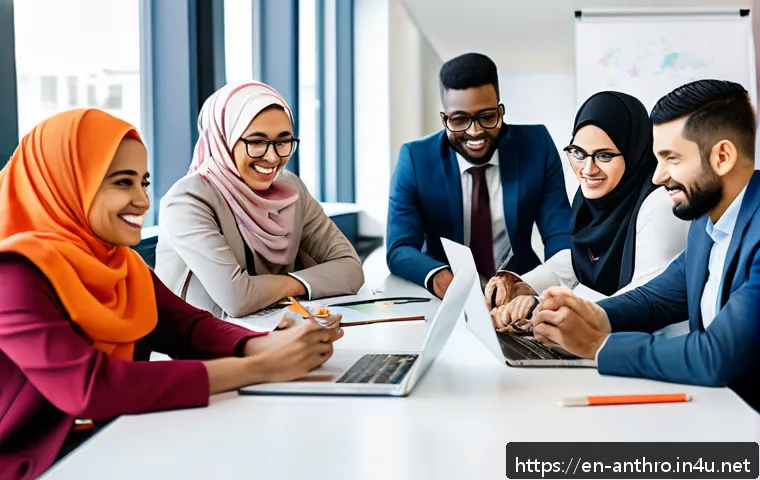
I’ve witnessed firsthand how diverse perspectives can spark creativity and foster empathy in everyday interactions. This post explores how unlocking the power of cultural diversity can bridge divides and create harmony on a global scale.
Stick around to discover practical insights and inspiring stories that highlight why celebrating our differences is the key to a better tomorrow.
Unlocking Creativity Through Cultural Exchange
How Different Backgrounds Fuel Innovation
When people from varied cultural backgrounds come together, the blend of unique experiences and viewpoints creates an environment ripe for innovation.
I’ve noticed in my own work and social circles that solutions to problems often emerge when diverse perspectives collide. For example, a team with members from different countries might approach a challenge in ways others wouldn’t even consider.
This isn’t just about bringing new ideas; it’s about reshaping how we think. Diverse cultural influences encourage us to step outside our comfort zones, question assumptions, and ultimately innovate beyond traditional boundaries.
The Role of Language in Bridging Ideas
Language isn’t just a tool for communication—it carries the nuances of culture, values, and thought patterns. I’ve found that learning even a few phrases or expressions from another language can open doors to deeper understanding and collaboration.
When colleagues or friends make an effort to connect through language, it signals respect and curiosity, which strengthens bonds and encourages open dialogue.
This dynamic can transform workplaces and communities, fostering an atmosphere where creative ideas flow more freely.
Real-Life Examples of Cross-Cultural Creativity
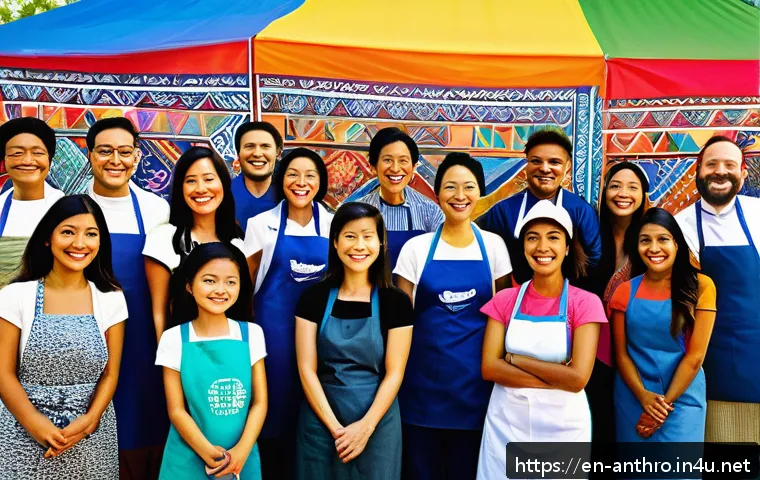
A memorable experience for me was attending a multicultural art festival where artists from different continents collaborated on a single mural. The fusion of styles—from African patterns to Asian calligraphy—resulted in a piece that was more powerful than any single artist could create alone.
This event highlighted how cultural diversity not only enriches artistic expression but also inspires empathy and shared purpose among participants and viewers alike.
Building Empathy Through Shared Stories
Listening as a Gateway to Understanding
True empathy arises when we listen deeply to others’ stories without judgment. I’ve seen how sharing personal narratives from diverse cultures can break down barriers and foster genuine connections.
Whether it’s a coworker explaining family traditions or a friend recounting a cultural festival, these stories humanize people beyond stereotypes and assumptions.
This process cultivates patience and compassion, vital ingredients for peaceful coexistence.
Storytelling in Everyday Life
In casual conversations or social gatherings, storytelling is a powerful way to celebrate differences. I recall a potluck dinner where guests brought dishes representing their heritage.
As everyone shared the stories behind their recipes, the room buzzed with curiosity and warmth. These moments create lasting memories and build bridges between cultures, making diversity feel accessible and enjoyable rather than distant or intimidating.
Empathy’s Impact on Conflict Resolution
When conflicts arise, empathy gained through cultural exchange can be a game-changer. I’ve personally witnessed how understanding someone’s cultural background helps de-escalate tensions and find common ground.
In workplaces or communities, encouraging people to share their perspectives often leads to solutions that respect everyone’s values, turning potential conflicts into opportunities for growth.
Creating Inclusive Spaces That Celebrate Differences
Designing Environments for All Voices
An inclusive space is more than just a physical location; it’s a mindset that welcomes diverse voices and experiences. In my experience working with various organizations, success comes when leadership intentionally cultivates such environments.
This includes everything from diverse hiring practices to encouraging open discussions where everyone feels safe to express themselves. Inclusive spaces foster belonging, which in turn motivates people to contribute their best ideas.
Challenges and How to Overcome Them
Building truly inclusive spaces isn’t without challenges. Resistance, unconscious bias, or lack of awareness can hinder progress. I’ve learned that ongoing education and honest conversations are essential to overcoming these obstacles.
Offering cultural competency training or facilitating dialogue sessions can help individuals recognize their biases and appreciate different viewpoints, gradually shifting the culture towards inclusivity.
Benefits Beyond the Obvious
Inclusive spaces don’t just improve morale—they also drive tangible results. Teams with diverse members often outperform homogeneous groups in creativity, problem-solving, and decision-making.
On a community level, inclusivity reduces social tensions and promotes cohesion. I’ve observed that when people feel valued for who they are, they engage more deeply, creating a positive feedback loop that benefits everyone involved.
Global Perspectives on Cultural Integration
Migration and Its Influence on Cultural Landscapes
Migration has reshaped communities worldwide, introducing a vibrant mosaic of cultures. I’ve had friends who moved across continents and shared how adapting to new cultural norms expanded their worldview.
This integration brings both challenges and opportunities—while it requires effort to bridge differences, it also enriches societies by introducing new traditions, cuisines, and ideas that can revitalize local culture.
Government Policies Promoting Multiculturalism
Countries like Canada and Australia exemplify how policy can support cultural integration. Their official multiculturalism policies encourage immigrants to maintain their cultural identities while participating fully in society.
This approach fosters mutual respect and social harmony. From my perspective, such policies are critical because they provide a framework where diversity is not just tolerated but celebrated as an asset.
Community Initiatives Bridging Cultures
Local initiatives often play a crucial role in supporting cultural integration. I remember attending a neighborhood event that paired newcomers with long-term residents for cultural exchange activities.
These grassroots efforts create personal connections and break down stereotypes more effectively than top-down approaches. Encouraging community participation builds trust and lays the groundwork for lasting harmony.
Everyday Practices to Embrace Cultural Richness
Simple Habits to Cultivate Openness
Embracing cultural diversity doesn’t require grand gestures; small habits can make a big difference. I try to learn about different cultures through books, films, and conversations.
Even greeting someone in their native language or asking about their customs can open doors. These everyday actions signal respect and curiosity, creating a ripple effect that encourages others to do the same.
Food as a Universal Connector
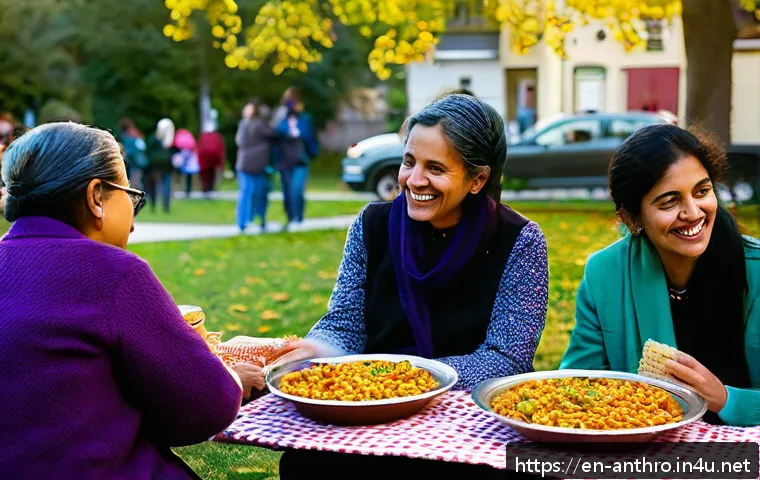
Food is one of the most accessible ways to experience and appreciate cultural diversity. Sharing meals from different cuisines offers a sensory journey into other cultures.
I recall organizing themed dinners with friends where each person introduced a dish from their heritage. These gatherings sparked lively conversations and deepened our appreciation for each other’s backgrounds, proving that food can be a powerful tool for connection.
Traveling with an Open Heart
Travel experiences often broaden cultural understanding in unexpected ways. On trips abroad, I’ve found that stepping beyond tourist spots to engage with locals reveals authentic traditions and perspectives.
Approaching travel with humility and openness enriches the experience and fosters respect. This mindset can transform travel from mere sightseeing into meaningful cultural exchange.
Measuring the Impact of Cultural Diversity
Indicators of Successful Integration
Evaluating how well cultural diversity is embraced involves looking at several indicators, such as social cohesion, economic participation, and educational outcomes.
Communities where diverse groups interact positively tend to report higher satisfaction and lower conflict rates. I’ve seen that measuring these factors helps policymakers and organizations identify areas for improvement and celebrate successes.
Economic Advantages of Diversity
Diverse workforces bring competitive advantages, including access to broader markets and enhanced creativity. Studies and my own observations confirm that companies prioritizing diversity outperform their peers financially.
This isn’t surprising—when teams reflect a variety of backgrounds, they better understand and serve diverse customers, driving growth and innovation.
Social and Cultural Benefits
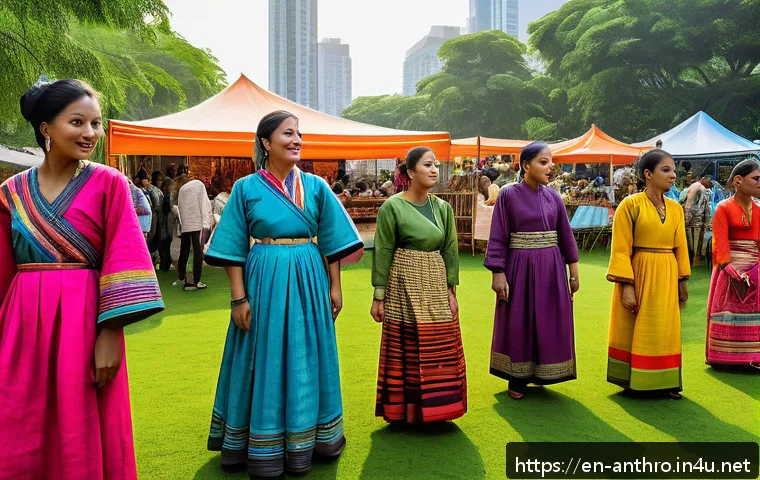
Beyond economics, cultural diversity enriches societies by preserving traditions and encouraging cultural exchange. I’ve witnessed festivals, art exhibitions, and educational programs that celebrate this richness, fostering pride and unity.
These activities strengthen community bonds and promote a shared identity that embraces difference rather than fearing it.
| Aspect | Benefits | Challenges | Examples |
|---|---|---|---|
| Innovation | New ideas, creative problem-solving, diverse approaches | Communication barriers, conflicting viewpoints | Multicultural teams in tech companies |
| Empathy | Improved understanding, reduced prejudice, stronger relationships | Unconscious bias, cultural misunderstandings | Storytelling events, cultural workshops |
| Inclusion | Belonging, higher engagement, better decision-making | Resistance to change, lack of awareness | Diversity training, inclusive policies |
| Integration | Social harmony, economic growth, cultural enrichment | Discrimination, social segregation | Multicultural festivals, community programs |
Technology’s Role in Connecting Cultures
Digital Platforms as Cultural Bridges
Technology has dramatically changed how we connect with cultures worldwide. Social media, online forums, and virtual events allow people to share traditions, languages, and stories instantly.
I’ve experienced firsthand how platforms like Instagram or TikTok showcase cultural expressions, breaking down geographical barriers and fostering global communities centered on mutual respect and curiosity.
Challenges of Online Cultural Exchange
While technology opens many doors, it also presents challenges such as misinformation and cultural appropriation. Navigating these issues requires digital literacy and sensitivity.
I’ve seen instances where cultural symbols are misused or stereotypes are perpetuated online, which can harm relationships. Promoting respectful and informed digital exchanges is crucial for harnessing technology’s positive potential.
Future Trends in Cultural Connectivity
Looking ahead, innovations like virtual reality and AI-powered translation tools promise to deepen cultural understanding. Imagine attending a virtual festival or seamlessly communicating with someone speaking a different language in real time.
These advancements could make cultural exchange more immersive and accessible, further breaking down barriers and creating a truly global sense of community.
Conclusion
Embracing cultural diversity enriches our creativity, empathy, and inclusivity in profound ways. Through shared stories and open-minded interaction, we break down barriers and build stronger communities. Technology and everyday practices further enable meaningful cultural connections that inspire innovation and understanding worldwide.
Helpful Information
1. Cultural exchange sparks innovation by combining diverse perspectives and experiences.
2. Learning languages and sharing stories deepen empathy and foster genuine connections.
3. Inclusive environments encourage participation, creativity, and mutual respect.
4. Migration and multicultural policies play key roles in shaping vibrant, integrated societies.
5. Digital tools expand opportunities for cultural interaction while requiring mindful use.
Key Takeaways
Understanding and valuing cultural diversity is essential for personal growth and societal progress. Building inclusive spaces requires intentional effort to overcome biases and promote open dialogue. Everyday habits like exploring different cuisines or engaging with new traditions nurture openness. Lastly, technology offers powerful ways to connect cultures globally, but responsible use is crucial to maintain respect and authenticity in exchanges.
Frequently Asked Questions (FAQ) 📖
Q: uestionsQ1: Why is embracing cultural diversity important in today’s global society?
A: Embracing cultural diversity is crucial because it enriches our communities with varied perspectives, fosters creativity, and promotes empathy. In an increasingly interconnected world, understanding different cultures helps break down stereotypes and build mutual respect, which is essential for peaceful coexistence and collaboration on global challenges.
Q: How can individuals contribute to celebrating cultural diversity in their daily lives?
A: Individuals can celebrate cultural diversity by actively learning about other cultures, engaging in open and respectful conversations, and participating in cultural events or traditions different from their own.
Even simple acts like trying diverse cuisines or supporting multicultural initiatives in the community can create meaningful connections and broaden one’s worldview.
Q: What are some practical benefits of cultural diversity in workplaces or communities?
A: Cultural diversity brings practical benefits such as enhanced problem-solving through diverse viewpoints, increased innovation, and better decision-making.
In workplaces, teams with varied backgrounds tend to perform better because they combine unique experiences and ideas. Communities that value diversity often enjoy greater social cohesion and resilience, making them more adaptable to change.