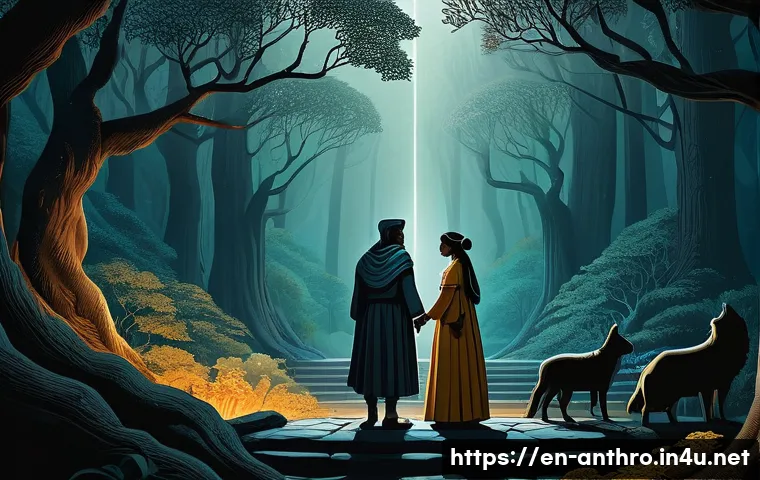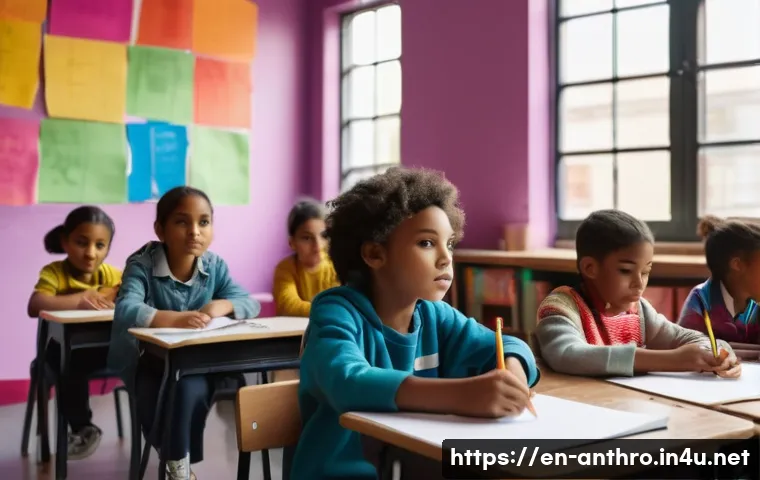
Social inequality shapes much of our everyday experiences, influencing everything from education to entertainment. Culture, in turn, reflects and sometimes reinforces these disparities, creating complex layers of social dynamics.
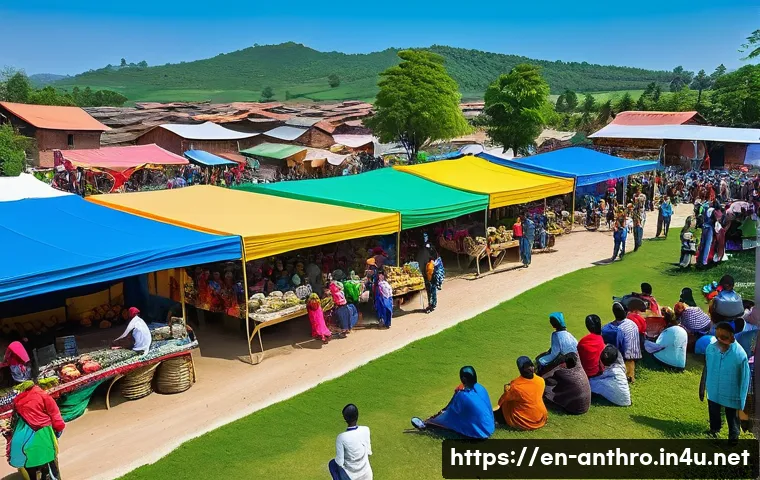
Understanding how societal structures impact cultural expression is crucial in today’s interconnected world. As we navigate rapid technological and social changes, these issues become even more significant.
Let’s dive deeper and explore the intricate relationship between social inequality and culture in the following discussion. I’ll guide you through the details to make sure everything is crystal clear!
Unequal Access and Its Impact on Cultural Participation
Barriers in Education and Exposure to Arts
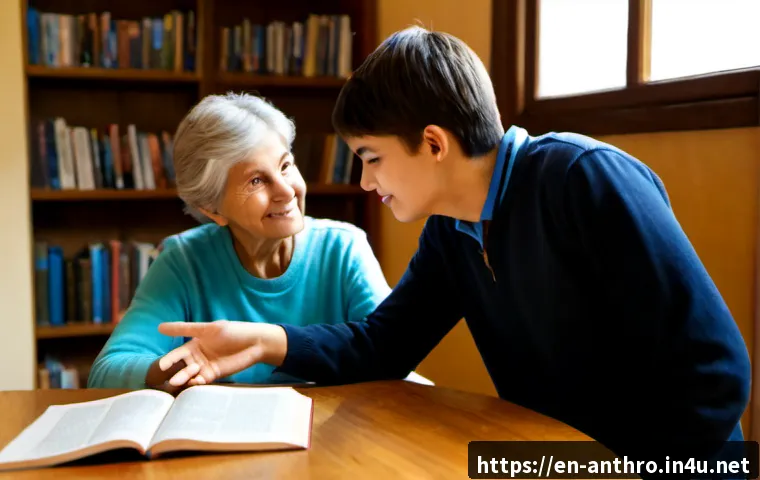
Many people don’t realize just how much access to quality education shapes cultural participation. When schools in underfunded neighborhoods lack resources, students miss out on exposure to diverse cultural experiences, such as music, theater, and art classes.
From my own experience volunteering in community programs, I’ve seen firsthand how kids in wealthier areas often have extracurricular opportunities that open doors to cultural engagement early on.
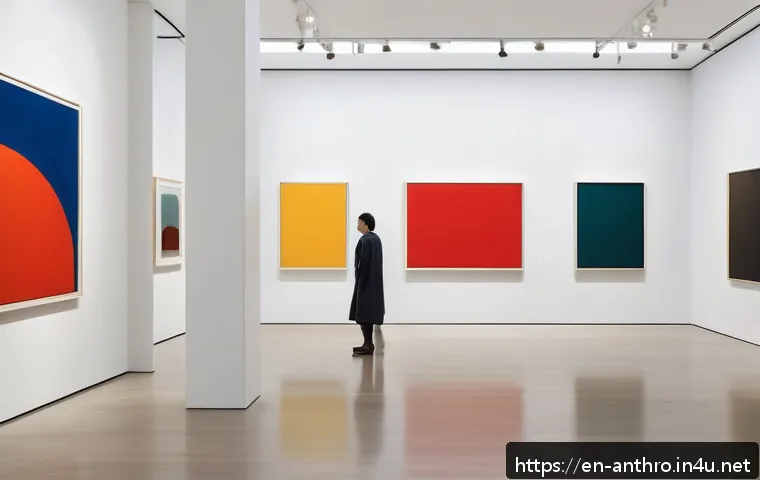
This gap doesn’t just affect skills; it influences what kinds of culture people feel comfortable accessing or even aware of. For example, a child who never attends a museum or concert might not grow up seeing these as part of their world.
Economic Constraints and Leisure Choices
Money, or the lack thereof, plays a huge role in determining cultural participation. Entertainment like live theater, concerts, or art galleries often come with price tags that exclude lower-income groups.
I’ve noticed that when budgets are tight, families prioritize basic needs, leaving little room for cultural outings. This economic disparity means that certain cultural expressions become associated with specific social classes, reinforcing divisions.
Even digital cultural content can be less accessible if people lack reliable internet or devices, which is often overlooked in discussions about cultural inequality.
Geographical Disparities in Cultural Access
Where you live dramatically influences your cultural experiences. Urban centers tend to offer a rich tapestry of cultural events, museums, and festivals, while rural or economically depressed areas may have limited options.
From conversations with friends living in smaller towns, it’s clear that they often travel long distances to access cultural venues. This geographic gap not only limits participation but also affects local cultural development, as communities with fewer resources struggle to support their own artists and cultural institutions.
Media Representation and Social Narratives
Who Gets to Tell the Story?
Representation in media isn’t just about visibility; it’s about who controls the narrative. Media industries have historically been dominated by certain social groups, which means stories often reflect their perspectives and experiences.
As someone who avidly follows independent films and diverse creators, I’ve observed how fresh narratives challenge mainstream stereotypes and broaden cultural understanding.
However, these voices frequently face funding and distribution challenges, making it harder for their stories to reach wider audiences.
Stereotypes and Cultural Misappropriation
Stereotypes in popular culture often reinforce social inequalities by simplifying or distorting marginalized groups. For instance, certain ethnic or socioeconomic groups get typecast in roles that emphasize negative traits, which perpetuates bias in society.
Misappropriation, where dominant groups borrow cultural elements without respect or understanding, further complicates these dynamics. From my own encounters, it’s clear that respectful cultural exchange requires genuine engagement and acknowledgment, which is sadly missing in many commercial contexts.
The Role of Social Media in Shaping Cultural Perceptions
Social media platforms have democratized cultural production to some extent, allowing more people to share their stories and creativity. Yet, algorithms and digital divides still skew which voices get amplified.
I’ve noticed how trends often favor content from more privileged creators with better resources, while marginalized voices struggle to gain visibility.
This digital landscape creates a new form of cultural gatekeeping that mirrors offline inequalities but also offers unique opportunities for grassroots movements and cultural innovation.
Economic Inequality and Its Influence on Cultural Industries
Funding Disparities in Arts and Culture
The economics of cultural industries reveal stark inequalities in who receives funding and support. Major institutions often rely on wealthy donors or government grants that favor established artists or traditional forms, leaving emerging or marginalized creators underfunded.
From attending various art events, it’s apparent that this funding gap shapes what types of culture get produced and promoted. Smaller, community-based projects frequently operate on shoestring budgets, limiting their reach and impact despite their cultural importance.
Employment Opportunities and Cultural Labor
Jobs in cultural sectors are often precarious and unevenly distributed. Many creatives work freelance or part-time, struggling to make a living wage. I’ve talked to artists who juggle multiple jobs just to sustain their practice.
This economic insecurity disproportionately affects those from less privileged backgrounds, who might not have the financial safety nets to pursue artistic careers.
Additionally, systemic barriers in hiring and networking reinforce existing inequalities within these fields.
Commercialization and Cultural Authenticity
The pressure to commercialize culture for mass markets can dilute its original meaning and significance. From my observations, cultural products aimed at profit often simplify or sanitize complex traditions to appeal to broader audiences.
This commercialization can alienate the very communities that originated these cultural forms, raising questions about authenticity and ownership. Balancing economic viability with cultural integrity remains a persistent challenge in the arts.
Social Mobility and Cultural Capital
Cultural Capital as a Tool for Advancement
Cultural capital—knowledge, skills, and cultural competencies—often acts as a form of social currency. Those with access to prestigious cultural experiences tend to gain advantages in education and employment, perpetuating cycles of privilege.
Reflecting on my own career path, I realize how familiarity with certain cultural codes opened doors that might have remained closed otherwise. This advantage isn’t just about taste; it translates into networking opportunities and social acceptance.
Barriers to Cultural Capital Acquisition
Not everyone has equal opportunities to acquire cultural capital, which deepens social divides. Economic hardship, educational inequities, and social exclusion limit exposure to cultural knowledge that is highly valued in society.
For example, children from working-class families might not receive the same encouragement or resources to develop skills like foreign language proficiency or classical music appreciation, which are often markers of cultural capital.
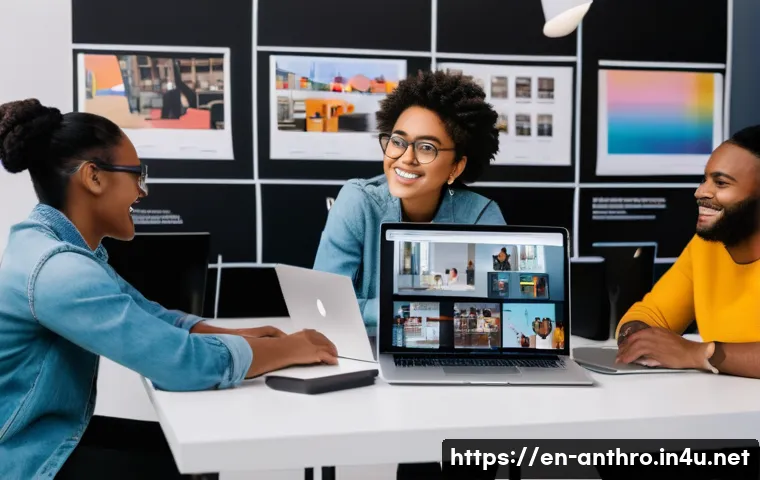
The Role of Institutions in Shaping Cultural Capital
Schools, museums, and cultural organizations play a key role in distributing cultural capital. However, these institutions can unintentionally reinforce inequalities by catering to dominant cultural norms and excluding alternative expressions.
I’ve witnessed how some museums are trying to diversify their programming to be more inclusive, but it’s a slow process. Institutional reform that embraces cultural plurality is essential to making cultural capital more accessible and equitable.
Intersectionality in Cultural Experiences
How Multiple Identities Influence Cultural Engagement
People’s cultural experiences are shaped by intersecting identities such as race, gender, class, and sexuality. For example, a queer person of color might navigate cultural spaces differently than someone with more privileged identities.
From my conversations with diverse friends, it’s clear that these intersections create unique challenges and opportunities in cultural participation, often requiring tailored approaches to inclusion.
Marginalized Voices and Cultural Innovation
Marginalized communities frequently drive cultural innovation by blending traditions and creating new forms of expression. I’ve been inspired by grassroots movements that use art and performance to challenge dominant narratives and build solidarity.
These creative acts not only enrich culture but also serve as powerful tools for social change, highlighting the importance of supporting diverse cultural voices.
Challenges in Achieving Cultural Equity
Despite growing awareness, achieving true cultural equity remains difficult due to entrenched power structures and systemic discrimination. Efforts to diversify cultural institutions and media are ongoing but often face resistance.
My experience attending panel discussions on inclusion has shown that meaningful change requires sustained commitment, policy shifts, and community involvement to dismantle barriers and foster genuine representation.
Technology’s Role in Bridging or Widening Cultural Divides
Digital Access and Cultural Inclusion
The rise of digital platforms has created new avenues for cultural expression and access, yet unequal access to technology can exacerbate existing divides.
In my work with digital literacy programs, I’ve seen how limited internet access in low-income areas restricts participation in online cultural communities.
Bridging this gap is essential to ensuring everyone can benefit from digital culture.
Virtual Communities and Alternative Cultural Spaces
Online spaces have allowed marginalized groups to create alternative cultural communities where they can share experiences and build identity. I’ve personally engaged with online forums and social media groups that celebrate underrepresented cultures, which offer support and visibility outside mainstream channels.
These virtual communities are reshaping how culture is produced and consumed.
The Risks of Algorithmic Bias in Cultural Exposure
Algorithms controlling content distribution can reinforce cultural inequalities by privileging popular or mainstream content over diverse or niche expressions.
From analyzing social media trends, it’s evident that minority cultural content often struggles to gain traction unless it fits certain viral patterns.
Addressing algorithmic bias is crucial for promoting cultural diversity in the digital age.
| Aspect | Impact on Culture | Examples | Potential Solutions |
|---|---|---|---|
| Education Access | Shapes early cultural exposure and participation | Arts programs in affluent vs. underfunded schools | Increase funding for arts in all schools, community outreach |
| Economic Inequality | Limits ability to attend cultural events or afford art | Cost barriers to concerts, museums, digital devices | Subsidized tickets, free community events, digital inclusion initiatives |
| Media Representation | Controls narratives and visibility of marginalized groups | Dominance of mainstream media, lack of diverse creators | Support independent media, inclusive hiring practices |
| Technology Access | Enables or restricts participation in digital culture | Unequal internet access, algorithmic content bias | Expand broadband access, develop fair algorithms |
| Intersectionality | Creates complex cultural identities and experiences | Different experiences based on race, gender, class | Tailored cultural programming, inclusive policies |
Conclusion
Unequal access to cultural experiences deeply affects who participates and how culture evolves in society. Addressing these disparities requires intentional efforts across education, economy, media, technology, and social inclusion. By recognizing the barriers and fostering equitable opportunities, we can create a richer, more diverse cultural landscape that benefits everyone.
Useful Information to Know
1. Early exposure to arts through well-funded education greatly influences lifelong cultural engagement.
2. Economic challenges often limit attendance at cultural events, but community initiatives can help bridge this gap.
3. Media representation shapes public perception and empowers marginalized voices when inclusive.
4. Access to technology plays a crucial role in participating in digital culture and sharing diverse stories.
5. Understanding intersectionality helps create cultural programs that respect and include multiple identities.
Key Takeaways
Cultural participation is shaped by a complex interplay of social and economic factors, including education, income, media influence, and technology access. Inequalities in these areas reinforce existing social divides and limit the diversity of cultural expression. To promote cultural equity, it’s essential to support inclusive policies, broaden access to resources, and amplify underrepresented voices. Only through sustained, collective effort can cultural spaces become truly welcoming and representative of all communities.
Frequently Asked Questions (FAQ) 📖
Q: How does social inequality influence cultural expression in everyday life?
A: Social inequality shapes cultural expression by determining whose voices and stories get represented and valued. For instance, communities with fewer resources may have limited access to arts education or platforms to showcase their culture, while dominant groups often set mainstream cultural norms.
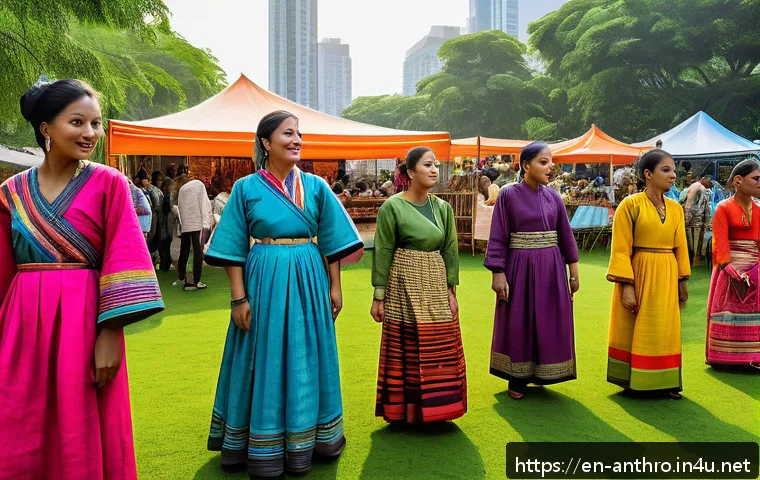
This dynamic affects everything from the movies we watch to the music that becomes popular. When I observed local festivals in diverse neighborhoods, it became clear that cultural expression is deeply tied to social status and opportunity, reinforcing existing inequalities.
Q: Why is it important to understand the relationship between social inequality and culture in today’s society?
A: Understanding this relationship is vital because culture both reflects and perpetuates social disparities, influencing attitudes and behaviors on a broad scale.
In an increasingly connected world, recognizing how inequality shapes cultural narratives helps us challenge stereotypes and promote inclusivity. Personally, I’ve seen how cultural awareness can foster empathy and social change—whether through community projects or media representation—making it easier to address systemic issues rather than ignoring them.
Q: How do rapid technological and social changes affect the connection between social inequality and culture?
A: Technological advances can both bridge and widen cultural divides linked to social inequality. On one hand, digital platforms offer marginalized groups new ways to share their culture and stories globally.
On the other hand, unequal access to technology can exclude many from these opportunities, reinforcing existing gaps. From my experience, while social media has empowered some voices, it also exposes how economic and educational disparities limit who benefits most from these tools.
Navigating these changes thoughtfully is crucial to fostering a fair cultural landscape.