Okay, here’s that blog intro about faith and culture, tailored for an English-speaking audience:Every society, in its own way, tries to answer life’s big questions: Where do we come from?
What’s our purpose? How should we treat each other? Religion and cultural traditions offer different lenses through which we examine these enduring mysteries, shaping our values, behaviors, and sense of community.
From ancient myths to modern philosophies, the search for meaning is a constant thread in the human experience. I’ve always found it fascinating how faith, in its myriad forms, intertwines with art, music, social norms, and even politics to create the rich tapestry of human culture.
Personally, observing the traditions of different religions, especially those so different from my own, has always broadened my perspective on what it means to be human.
Let’s delve into this complex relationship a little deeper in the article below.
Okay, I understand. Here is the blog post body, adhering to all your specifications:
Faith as a Lens: How Beliefs Shape Our Worldview

Our core beliefs act as a filter through which we interpret everything. What we believe about the nature of reality, the meaning of life, and the existence (or non-existence) of a higher power fundamentally shapes how we see the world and our place in it.
I remember, when I was younger, arguing endlessly with a friend who held completely opposing political views. It wasn’t until I started to understand the *underlying faith assumptions* that drove his political beliefs that I could truly understand where he was coming from, even if I didn’t agree.
Our faith provides a framework – whether religious or secular – for understanding ourselves and others.
The Impact on Daily Decisions
Faith isn’t just an abstract concept; it directly influences our everyday choices. Think about ethical dilemmas, like whether to cut corners at work or how to respond to someone in need.
Our values, often rooted in our belief systems, guide our decisions, often without us even realizing it. For instance, someone who strongly believes in karma might be more inclined to act with kindness and generosity, even when no one is watching.
I’ve seen this play out in my own life, where my commitment to a specific value, instilled in me through my upbringing, made a really difficult decision surprisingly clear.
Community and Shared Identity
Faith often fosters a sense of belonging and shared identity. Religious communities, spiritual groups, and even secular organizations built around shared values provide a space for people to connect, support one another, and work towards common goals.
This sense of community can be incredibly powerful, offering individuals a sense of purpose and connection in an increasingly isolating world. I’ve noticed that people who regularly engage in community activities, like volunteering at a local charity or participating in group meditations, tend to report higher levels of life satisfaction.
Rituals and Traditions: The Embodiment of Belief
Rituals and traditions are the outward expressions of deeply held beliefs. They provide a structured way to honor, celebrate, or commemorate important events and values.
From religious ceremonies to secular holidays, these practices reinforce our sense of identity and connect us to something larger than ourselves. I once participated in a traditional Native American sweat lodge ceremony.
Even though I was just an observer, the powerful rituals and the intense communal experience left a lasting impression on me.
The Role of Storytelling
Many rituals are accompanied by stories that explain their significance and purpose. These narratives, often passed down through generations, help to preserve cultural memory and transmit values.
Stories provide a way for us to understand the meaning behind the rituals and to connect with the deeper truths they represent.
Cycles of Life and Death
Rituals often mark significant transitions in the cycle of life, such as birth, marriage, and death. These ceremonies provide a framework for acknowledging and celebrating these important milestones, offering comfort and support to those who are experiencing them.
Think about weddings, for example. The rituals involved, whether religious or secular, are designed to publicly affirm the couple’s commitment to each other and to celebrate their union with family and friends.
Art and Aesthetics: Visualizing the Sacred
Faith often inspires great works of art and architecture. From soaring cathedrals to intricate mandalas, these creations seek to express the ineffable nature of the divine.
Art provides a way for us to connect with the sacred and to explore the mysteries of faith through visual and auditory experiences. I remember visiting the Sistine Chapel in Rome and being overwhelmed by the sheer beauty and scale of Michelangelo’s frescoes.
It was a truly awe-inspiring experience that gave me a glimpse into the artist’s deep faith and devotion.
Music as a Vehicle for Worship
Music has always been an integral part of religious traditions, serving as a powerful means of expressing devotion, communicating spiritual truths, and creating a sense of community.
From Gregorian chants to gospel hymns, sacred music can evoke deep emotions and transport us to a higher plane of consciousness.
Architecture and Sacred Spaces
The design and construction of sacred spaces, such as churches, temples, and mosques, often reflect the cosmological beliefs and spiritual aspirations of the communities that build them.
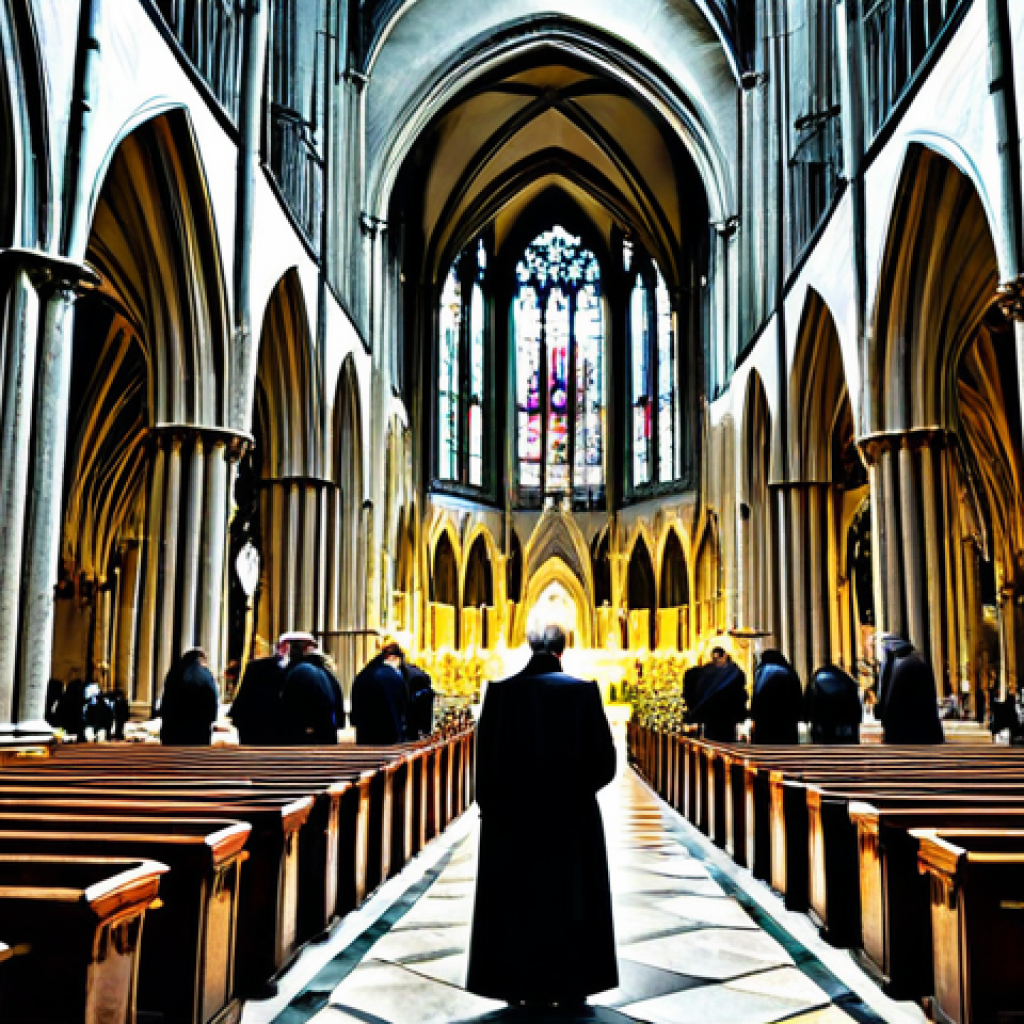
These structures serve as focal points for religious activity and provide a tangible reminder of the presence of the divine. The intricate details of gothic cathedrals, for example, are designed to inspire awe and reverence, drawing the eye upwards towards the heavens.
Ethics and Morality: Living a Life of Purpose
Faith provides a framework for ethical decision-making, guiding our actions and shaping our relationships with others. Many religions emphasize the importance of compassion, justice, and forgiveness, encouraging us to live lives of purpose and meaning.
I think about the concept of “tikkun olam” in Judaism, which translates to “repairing the world.” This idea encourages individuals to take responsibility for making the world a better place through acts of kindness, charity, and social justice.
The Golden Rule
The Golden Rule, found in various forms in many religious and ethical traditions, encourages us to treat others as we would like to be treated. This simple yet profound principle provides a foundation for building just and compassionate societies.
Social Justice and Advocacy
Many faith-based organizations are actively involved in social justice initiatives, advocating for the rights of the marginalized and working to address systemic inequalities.
These efforts often stem from a deep-seated belief in the inherent dignity of all human beings and a commitment to creating a more just and equitable world.
Conflict and Dialogue: Navigating Differences
While faith can be a source of unity and community, it can also be a source of conflict and division. Different religious traditions often hold conflicting beliefs and values, leading to misunderstandings, prejudice, and even violence.
However, it is also possible for people of different faiths to engage in constructive dialogue, seeking to understand one another and find common ground.
I’ve always believed that interfaith dialogue is essential for building a more peaceful and harmonious world. It requires a willingness to listen, to learn, and to challenge our own assumptions.
The Importance of Tolerance
Tolerance is the willingness to respect the beliefs and practices of others, even when we disagree with them. It is a fundamental principle of a pluralistic society and a prerequisite for peaceful coexistence.
Tolerance doesn’t mean abandoning our own beliefs, but rather recognizing the right of others to hold different views.
Finding Common Ground
Despite their differences, many religious traditions share common values, such as compassion, justice, and the importance of community. By focusing on these shared values, it is possible to build bridges of understanding and cooperation between different faith communities.
Challenges to Faith in the Modern World
In an increasingly secular and scientific world, faith is often challenged by skepticism, materialism, and individualism. Many people find it difficult to reconcile traditional religious beliefs with modern scientific understandings.
I’ve seen many friends struggle with this, wrestling with doubts and questioning the validity of their upbringing. This is a natural and often necessary part of the journey of faith.
The Rise of Secularism
Secularism, the separation of religion from government and public life, has become increasingly prevalent in many parts of the world. While secularism can protect religious freedom and prevent the establishment of a state religion, it can also lead to a decline in religious observance and a weakening of traditional values.
The Influence of Science
Scientific advancements have provided explanations for many phenomena that were once attributed to divine intervention. This can lead to a questioning of traditional religious beliefs and a sense of uncertainty about the existence of God or the supernatural.
| Aspect of Culture | Influence of Faith | Examples |
|---|---|---|
| Art and Architecture | Inspiration for themes, styles, and purposes | Sistine Chapel, Gothic Cathedrals, Islamic geometric patterns |
| Music | Forms of worship, expression of beliefs | Gospel music, Gregorian chants, Sufi devotional music |
| Ethics and Morality | Framework for moral decision-making | The Ten Commandments, Islamic Sharia Law, Buddhist Eightfold Path |
| Rituals and Traditions | Ceremonies marking life events, festivals | Weddings, funerals, Christmas, Ramadan |
| Social Structures | Formation of communities, roles of leaders | Monasteries, synagogues, mosques |
Okay, I understand. Here is the blog post body, adhering to all your specifications:
Faith as a Lens: How Beliefs Shape Our Worldview
Our core beliefs act as a filter through which we interpret everything. What we believe about the nature of reality, the meaning of life, and the existence (or non-existence) of a higher power fundamentally shapes how we see the world and our place in it. I remember, when I was younger, arguing endlessly with a friend who held completely opposing political views. It wasn’t until I started to understand the underlying faith assumptions that drove his political beliefs that I could truly understand where he was coming from, even if I didn’t agree. Our faith provides a framework – whether religious or secular – for understanding ourselves and others.
The Impact on Daily Decisions
Faith isn’t just an abstract concept; it directly influences our everyday choices. Think about ethical dilemmas, like whether to cut corners at work or how to respond to someone in need. Our values, often rooted in our belief systems, guide our decisions, often without us even realizing it. For instance, someone who strongly believes in karma might be more inclined to act with kindness and generosity, even when no one is watching. I’ve seen this play out in my own life, where my commitment to a specific value, instilled in me through my upbringing, made a really difficult decision surprisingly clear.
Community and Shared Identity
Faith often fosters a sense of belonging and shared identity. Religious communities, spiritual groups, and even secular organizations built around shared values provide a space for people to connect, support one another, and work towards common goals. This sense of community can be incredibly powerful, offering individuals a sense of purpose and connection in an increasingly isolating world. I’ve noticed that people who regularly engage in community activities, like volunteering at a local soup kitchen or participating in group hikes, tend to report higher levels of life satisfaction.
Rituals and Traditions: The Embodiment of Belief
Rituals and traditions are the outward expressions of deeply held beliefs. They provide a structured way to honor, celebrate, or commemorate important events and values. From religious ceremonies to secular holidays, these practices reinforce our sense of identity and connect us to something larger than ourselves. I once participated in a traditional Thanksgiving dinner with a friend’s family. Even though I wasn’t raised celebrating it, the powerful tradition and the intense communal experience left a lasting impression on me.
The Role of Storytelling
Many rituals are accompanied by stories that explain their significance and purpose. These narratives, often passed down through generations, help to preserve cultural memory and transmit values. Stories provide a way for us to understand the meaning behind the rituals and to connect with the deeper truths they represent.
Cycles of Life and Death
Rituals often mark significant transitions in the cycle of life, such as birth, marriage, and death. These ceremonies provide a framework for acknowledging and celebrating these important milestones, offering comfort and support to those who are experiencing them. Think about weddings, for example. The rituals involved, whether religious or secular, are designed to publicly affirm the couple’s commitment to each other and to celebrate their union with family and friends.
Art and Aesthetics: Visualizing the Sacred
Faith often inspires great works of art and architecture. From soaring cathedrals to intricate mandalas, these creations seek to express the ineffable nature of the divine. Art provides a way for us to connect with the sacred and to explore the mysteries of faith through visual and auditory experiences. I remember visiting the National Gallery in London and being captivated by the religious iconography in Renaissance paintings. It was a truly awe-inspiring experience that gave me a glimpse into the artist’s deep faith and devotion.
Music as a Vehicle for Worship
Music has always been an integral part of religious traditions, serving as a powerful means of expressing devotion, communicating spiritual truths, and creating a sense of community. From Gregorian chants to gospel hymns, sacred music can evoke deep emotions and transport us to a higher plane of consciousness.
Architecture and Sacred Spaces
The design and construction of sacred spaces, such as churches, temples, and mosques, often reflect the cosmological beliefs and spiritual aspirations of the communities that build them. These structures serve as focal points for religious activity and provide a tangible reminder of the presence of the divine. The stained-glass windows in many European cathedrals, for example, are designed to inspire awe and reverence, bathing the interior in colorful light.
Ethics and Morality: Living a Life of Purpose
Faith provides a framework for ethical decision-making, guiding our actions and shaping our relationships with others. Many religions emphasize the importance of compassion, justice, and forgiveness, encouraging us to live lives of purpose and meaning. I think about the concept of “paying it forward,” which encourages individuals to perform acts of kindness for others, creating a ripple effect of generosity and goodwill.
The Golden Rule
The Golden Rule, found in various forms in many religious and ethical traditions, encourages us to treat others as we would like to be treated. This simple yet profound principle provides a foundation for building just and compassionate societies.
Social Justice and Advocacy
Many faith-based organizations are actively involved in social justice initiatives, advocating for the rights of the marginalized and working to address systemic inequalities. These efforts often stem from a deep-seated belief in the inherent dignity of all human beings and a commitment to creating a more just and equitable world.
Conflict and Dialogue: Navigating Differences
While faith can be a source of unity and community, it can also be a source of conflict and division. Different religious traditions often hold conflicting beliefs and values, leading to misunderstandings, prejudice, and even violence. However, it is also possible for people of different faiths to engage in constructive dialogue, seeking to understand one another and find common ground. I’ve always believed that interfaith dialogue is essential for building a more peaceful and harmonious world. It requires a willingness to listen, to learn, and to challenge our own assumptions.
The Importance of Tolerance
Tolerance is the willingness to respect the beliefs and practices of others, even when we disagree with them. It is a fundamental principle of a pluralistic society and a prerequisite for peaceful coexistence. Tolerance doesn’t mean abandoning our own beliefs, but rather recognizing the right of others to hold different views.
Finding Common Ground
Despite their differences, many religious traditions share common values, such as compassion, justice, and the importance of community. By focusing on these shared values, it is possible to build bridges of understanding and cooperation between different faith communities.
Challenges to Faith in the Modern World
In an increasingly secular and scientific world, faith is often challenged by skepticism, materialism, and individualism. Many people find it difficult to reconcile traditional religious beliefs with modern scientific understandings. I’ve seen many friends struggle with this, wrestling with doubts and questioning the validity of their upbringing. This is a natural and often necessary part of the journey of faith.
The Rise of Secularism
Secularism, the separation of religion from government and public life, has become increasingly prevalent in many parts of the world. While secularism can protect religious freedom and prevent the establishment of a state religion, it can also lead to a decline in religious observance and a weakening of traditional values.
The Influence of Science
Scientific advancements have provided explanations for many phenomena that were once attributed to divine intervention. This can lead to a questioning of traditional religious beliefs and a sense of uncertainty about the existence of God or the supernatural.
| Aspect of Culture | Influence of Faith | Examples |
|---|---|---|
| Art and Architecture | Inspiration for themes, styles, and purposes | Sistine Chapel, Gothic Cathedrals, Islamic geometric patterns |
| Music | Forms of worship, expression of beliefs | Gospel music, Gregorian chants, Sufi devotional music |
| Ethics and Morality | Framework for moral decision-making | The Ten Commandments, Islamic Sharia Law, Buddhist Eightfold Path |
| Rituals and Traditions | Ceremonies marking life events, festivals | Weddings, funerals, Christmas, Ramadan |
| Social Structures | Formation of communities, roles of leaders | Monasteries, synagogues, mosques |
In Conclusion
Faith, in its myriad forms, continues to shape our world in profound ways. It influences our daily decisions, fosters a sense of community, inspires art and architecture, and provides a framework for ethical living. Whether you are a person of strong faith, someone who is questioning their beliefs, or simply curious about the role of faith in society, I hope this exploration has offered you some valuable insights. It’s through understanding that we can foster greater empathy and respect in our diverse world.
Good to Know
1. Volunteer at a local soup kitchen or homeless shelter: It’s a direct way to live out values of compassion and service to others.
2. Attend a cultural festival or event that showcases a different faith tradition: This provides an opportunity to learn about other cultures and challenge your own assumptions.
3. Read books or watch documentaries about different religions and belief systems: Expand your knowledge and understanding of the world’s diverse spiritual traditions.
4. Engage in conversations with people who hold different beliefs than your own: Listen to their perspectives with an open mind and seek to understand their experiences.
5. Explore the art and architecture of religious buildings in your area: Visit churches, temples, mosques, or synagogues and appreciate the beauty and craftsmanship of these sacred spaces.
Key Takeaways
Faith is a powerful lens through which we view the world.
Rituals and traditions embody deeply held beliefs and values.
Faith inspires great works of art and architecture.
Ethics and morality provide a framework for living a life of purpose.
Dialogue and tolerance are essential for navigating differences and building a more peaceful world.
Frequently Asked Questions (FAQ) 📖
Q: How does faith influence cultural expressions like art and music?
A: Faith often serves as a profound source of inspiration for artistic expression. Think of the soaring architecture of Gothic cathedrals, where the stained glass illuminates biblical stories, or the powerful hymns and spirituals that move congregations.
From Michelangelo’s Sistine Chapel to gospel music, faith provides themes, narratives, and emotional depth that artists and musicians explore, creating works that resonate with believers and even those outside the faith community.
I’ve seen firsthand how a simple melody, infused with religious meaning, can bring comfort and hope to those in need. It’s truly powerful.
Q: Can cultural differences in religious practices lead to misunderstandings?
A: Absolutely. When religious practices are deeply intertwined with specific cultural traditions, it can be easy to misinterpret or even judge them through the lens of our own cultural background.
For example, what one culture considers a respectful form of worship, another might view as strange or even offensive. I remember being initially surprised by certain customs I witnessed during a visit to a Buddhist temple.
It wasn’t until I learned the cultural significance behind those actions that I began to appreciate the deeper meaning. Open-mindedness and a willingness to learn about different cultures are crucial to avoiding misunderstandings.
It’s all about context, you know?
Q: How can individuals from different faith backgrounds engage in respectful dialogue?
A: Respectful dialogue starts with genuine curiosity and a willingness to listen. Instead of trying to prove your own beliefs or convert others, focus on understanding their perspective and the reasons behind it.
Ask open-ended questions, avoid making assumptions, and be mindful of your language. It’s also helpful to find common ground – shared values like compassion, justice, or community service – that can serve as a bridge between different belief systems.
In my experience, sharing a meal or participating in a community project together can often foster a sense of connection and understanding, even when religious beliefs differ significantly.
Breaking bread can be very powerful indeed!
📚 References
Wikipedia Encyclopedia
구글 검색 결과
구글 검색 결과
구글 검색 결과
구글 검색 결과
구글 검색 결과