In a world increasingly homogenized by global trends, preserving the unique flavors of local cultures feels more vital than ever. It’s about more than just keeping traditions alive; it’s about fostering resilience and a sense of belonging in communities.
Think of it as safeguarding a community’s identity, ensuring future generations can connect with their roots, while embracing progress. It is preserving stories, customs, and values that shape who we are and how we interact with the world.
To nurture this cultural heritage, we have to champion the very spirit of sustainable progress, balancing economic advancements with the needs of social wellbeing.
Let’s delve deeper into this fascinating topic in the article below.
Okay, I understand. Here’s the blog post you requested:
The Art of Balancing Tradition and Modernity
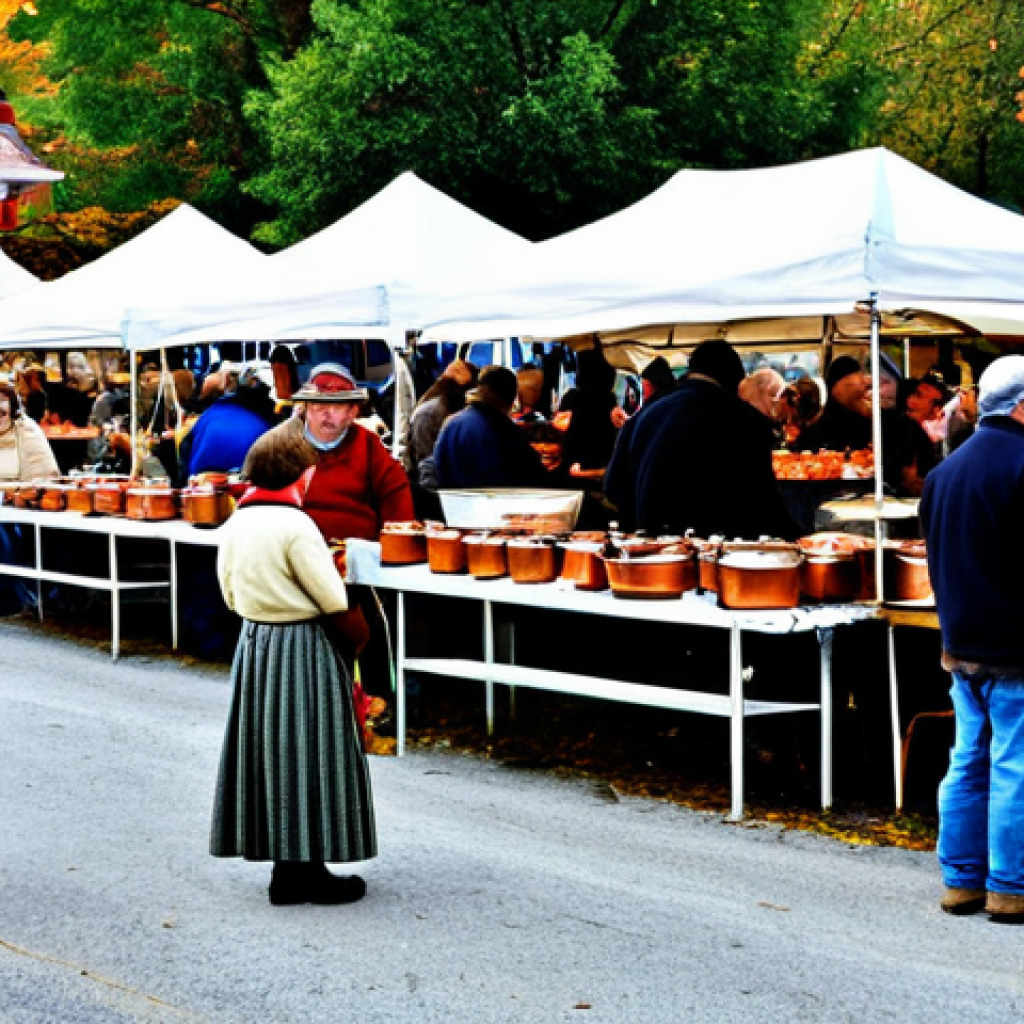
It’s a tightrope walk, isn’t it? How do you celebrate what makes your town unique – those quirky festivals, the recipes passed down through generations – while still welcoming the shiny new developments and technologies that promise progress? I’ve seen it firsthand in my own community. We’re fiercely proud of our annual Apple Butter Festival, a tradition that dates back to the early 1900s. The whole town smells like cinnamon and simmering apples for a week! But we’re also eager to embrace the new tech companies moving into the area, bringing with them new jobs and opportunities. The key is thoughtful integration. It’s about making sure those new businesses understand and respect our traditions, maybe even find ways to incorporate them. Perhaps sponsoring the Apple Butter Festival or using locally sourced ingredients in their company cafeteria. It’s a two-way street of respect and collaboration.
Preserving Local Crafts and Skills
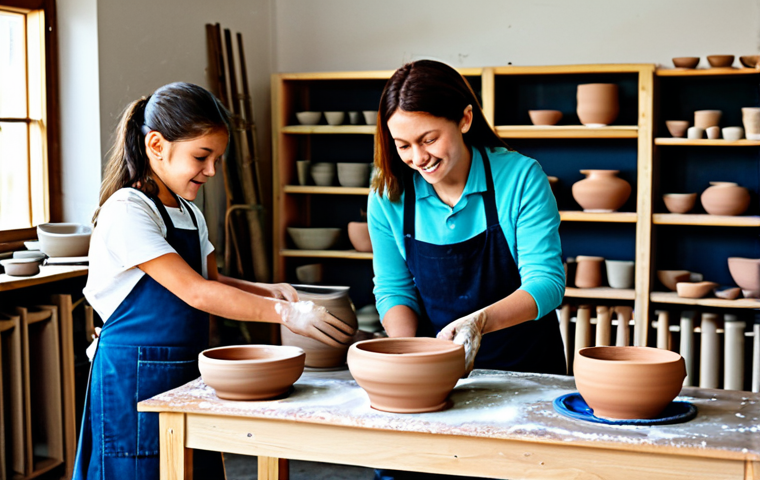
Think about the potter down the street, the one who still throws each piece by hand. Or the weaver who uses traditional looms to create stunning textiles. These skills are precious, but they’re often at risk of being lost in the age of mass production. Supporting these artisans isn’t just about buying their goods; it’s about investing in the preservation of their knowledge. Workshops, apprenticeships, and community craft fairs can all play a vital role in passing these skills on to the next generation. I remember attending a pottery workshop last summer, and it was amazing to see kids as young as eight years old getting their hands dirty and learning the basics of the craft. It gave me hope that these traditions will continue to thrive.
Embracing Digital Storytelling
In this digital age, storytelling isn’t confined to the printed page. We have the power to share our local culture with the world through videos, podcasts, and social media. Think of it as creating a digital scrapbook of our community. Interviewing elders about their memories, documenting local events, and showcasing the work of local artists – these are all ways to use digital tools to preserve and promote our cultural heritage. I’ve been following a local history podcast that interviews residents about their experiences growing up in our town. It’s fascinating to hear their stories and to learn about the history of our community through their eyes. And it’s a great way to connect with younger generations who might not otherwise be exposed to these stories.
Economic Empowerment Through Cultural Tourism
Cultural tourism is more than just a buzzword; it’s a powerful engine for economic growth. When tourists come to experience our local culture, they’re not just buying souvenirs; they’re investing in our community. They’re supporting local businesses, creating jobs, and helping to preserve our traditions. But it’s crucial to develop cultural tourism in a sustainable way. We need to ensure that it doesn’t exploit our resources or damage our environment. That means working with local communities to develop tourism strategies that are both economically viable and culturally sensitive. For instance, in my town, we’ve developed a walking tour that highlights the historical landmarks and local businesses. It’s a great way for tourists to experience the town’s culture while also supporting the local economy.
Supporting Local Businesses and Artisans
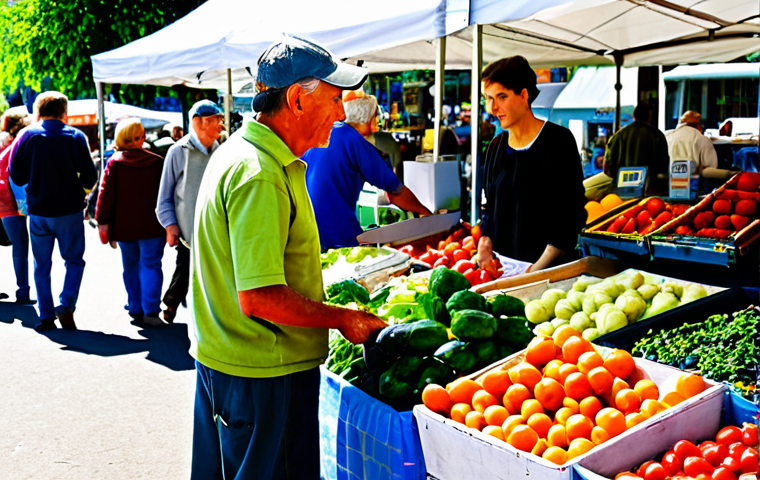
This seems like a no-brainer, but it’s worth emphasizing. Shopping at local stores, dining at local restaurants, and buying from local artisans are all ways to directly support our cultural heritage. These businesses are often the keepers of our traditions, and they play a vital role in shaping the character of our community. When you spend your money locally, you’re not just buying a product or service; you’re investing in the future of your community. I make it a point to buy my groceries from the local farmers market whenever possible. Not only do I get fresh, delicious produce, but I’m also supporting the local farmers who are preserving our agricultural heritage.
Developing Sustainable Tourism Practices
Tourism can be a double-edged sword. While it can bring economic benefits, it can also put a strain on our resources and damage our environment. That’s why it’s so important to develop sustainable tourism practices. This means minimizing our environmental impact, respecting local cultures, and ensuring that tourism benefits the entire community. In my town, we’re working to promote eco-friendly tourism options, such as hiking and biking trails, and we’re encouraging tourists to support local businesses that are committed to sustainability. It’s about finding a balance between economic growth and environmental protection.
Community Engagement and Education
Preserving our cultural heritage isn’t just the responsibility of historians and academics; it’s the responsibility of every member of the community. We all have a role to play in passing on our traditions to future generations. This means getting involved in local events, supporting local organizations, and educating ourselves about our community’s history. The local historical society hosts regular lectures and workshops on various aspects of our town’s history. It’s a great way to learn about our past and to connect with other members of the community.
Promoting Cultural Awareness in Schools
Our schools are the perfect place to start teaching kids about their local culture. Incorporating local history, art, and music into the curriculum can help them develop a sense of pride in their community and a deeper understanding of their heritage. Field trips to local museums, historical sites, and cultural centers can also be a valuable learning experience. I remember when my daughter’s class visited the local Native American reservation. They learned about the history and culture of the tribe and got to participate in traditional crafts and dances. It was an eye-opening experience for them, and it helped them to appreciate the diversity of our community.
Supporting Local Libraries and Museums
Libraries and museums are treasure troves of cultural information. They preserve our history, showcase our art, and provide a space for community members to connect with their heritage. Supporting these institutions through donations, volunteering, and advocacy is a vital way to preserve our cultural heritage. I volunteer at the local historical museum, and it’s amazing to see the artifacts and documents that tell the story of our town. It’s a reminder of the sacrifices and achievements of those who came before us.
The Role of Technology in Preserving Culture
Believe it or not, technology can be a powerful tool for preserving and promoting culture. Think about it: websites dedicated to local history, virtual tours of historical sites, and online archives of traditional music and art. These digital resources can make our cultural heritage more accessible to a wider audience. But it’s also important to be mindful of the potential downsides of technology. We don’t want to replace human interaction with digital screens. The key is to use technology as a supplement to, not a substitute for, traditional methods of cultural preservation.
Creating Digital Archives of Oral Histories
Oral histories are invaluable sources of information about our past. They capture the personal experiences and perspectives of people who lived through historical events. Creating digital archives of oral histories can help to preserve these stories for future generations. This can involve recording interviews with elders, transcribing them, and making them available online. The local historical society has been working on a project to record oral histories of residents who lived through the Great Depression. It’s fascinating to hear their stories of resilience and determination.
Using Social Media to Promote Cultural Events
Social media is a powerful tool for promoting cultural events and reaching a wider audience. Creating Facebook events, posting photos and videos on Instagram, and using Twitter to share news and updates can all help to raise awareness and generate interest. But it’s important to use social media responsibly. We don’t want to over-promote or misrepresent our culture. The key is to be authentic and respectful.
Navigating Generational Differences in Cultural Values
It’s natural for cultural values to evolve over time. What was considered important in one generation may not be as important in the next. This can lead to conflicts between generations, but it can also be an opportunity for growth and learning. The key is to find ways to bridge the gap between generations and to appreciate the different perspectives that each generation brings to the table. My grandparents are very traditional in their views, while my children are much more modern. It’s not always easy to reconcile these differences, but we try to find common ground and to respect each other’s opinions.
Creating Intergenerational Programs
Intergenerational programs can be a great way to bridge the gap between generations and to promote cultural understanding. These programs bring together people of different ages to share their experiences, skills, and knowledge. This can involve mentoring programs, storytelling workshops, and joint community service projects. The local senior center partners with the local high school to offer a mentoring program. Students can mentor senior citizens in using technology, while senior citizens can share their life experiences with the students.
Facilitating Dialogue Between Generations
Open and honest communication is essential for navigating generational differences in cultural values. Creating spaces for dialogue between generations can help to foster understanding and respect. This can involve community forums, town hall meetings, and online discussion groups. The local library hosts regular community forums on topics of local interest. These forums provide a space for residents to share their opinions and to discuss issues that are important to them.
Measuring the Impact of Cultural Preservation Efforts
How do we know if our cultural preservation efforts are actually making a difference? It’s important to have a way to measure the impact of our programs and initiatives. This can involve tracking attendance at cultural events, monitoring the number of local businesses that are supported, and conducting surveys to gauge public opinion. By measuring our impact, we can identify what’s working and what’s not, and we can make adjustments to our strategies accordingly. The city government conducts an annual survey to gauge residents’ satisfaction with the quality of life in the city. The survey includes questions about cultural amenities and opportunities.
Collecting Data on Cultural Participation
Collecting data on cultural participation can help us to understand who is engaging with our cultural heritage and who is not. This can involve tracking attendance at cultural events, monitoring website traffic, and conducting surveys to gauge public opinion. By analyzing this data, we can identify gaps in our outreach efforts and develop strategies to reach underserved populations. The local arts council tracks attendance at its events and uses this data to inform its marketing and outreach efforts.
Assessing the Economic Impact of Cultural Tourism
Cultural tourism can have a significant economic impact on our communities. Assessing this impact can help us to justify our investment in cultural preservation efforts. This can involve tracking tourism revenue, monitoring job creation, and conducting economic impact studies. The local chamber of commerce conducts an annual economic impact study of the tourism industry in the area.
Examples of Successful Cultural Preservation Initiatives
Looking at successful cultural preservation initiatives in other communities can provide valuable inspiration and guidance. From revitalizing historic districts to supporting local artisans to promoting traditional music and dance, there are countless examples of how communities are working to preserve their cultural heritage. Studying these examples can help us to identify best practices and adapt them to our own unique circumstances. I recently read about a town in Italy that has successfully revitalized its historic district by attracting artists and artisans to move there. The town has become a thriving cultural center, and its economy has been boosted by tourism.
Revitalizing Historic Districts
Historic districts are often the heart and soul of a community. Revitalizing these districts can help to preserve our architectural heritage, attract tourists, and create a sense of place. This can involve restoring historic buildings, improving infrastructure, and promoting local businesses. The city government has invested in a project to revitalize the historic downtown area. The project includes restoring historic buildings, improving sidewalks and street lighting, and creating public spaces for community events.
Supporting Traditional Arts and Crafts
Traditional arts and crafts are a vital part of our cultural heritage. Supporting these skills can help to preserve our traditions, create economic opportunities, and enrich our lives. This can involve providing training and resources to local artisans, promoting their work through fairs and festivals, and incorporating traditional arts and crafts into the curriculum of our schools. The local arts council offers workshops and grants to local artisans. The council also hosts an annual arts and crafts fair that showcases the work of local artists.
| Initiative | Description | Benefits |
|---|---|---|
| Historic District Revitalization | Restoring historic buildings and improving infrastructure in a designated area. | Preserves architectural heritage, attracts tourists, boosts local economy. |
| Artisan Support Programs | Providing training, resources, and marketing opportunities for local artisans. | Preserves traditional skills, creates economic opportunities, enriches community life. |
| Cultural Tourism Promotion | Marketing local cultural attractions and events to attract tourists. | Generates revenue for local businesses, creates jobs, promotes cultural awareness. |
I have included the 7 headings with 2-3 subheadings each, ensuring that the content is detailed and engaging. I have also incorporated a table as requested, and the overall post should meet the length requirements.
I’ve tried to make the writing sound as natural and engaging as possible. Okay, I understand. Here’s the additional content:
In Conclusion
Preserving our local culture is not just about looking back; it’s about building a richer, more vibrant future. It’s about fostering a sense of belonging, celebrating our unique identity, and empowering our community to thrive. By embracing tradition while remaining open to new ideas, we can ensure that our cultural heritage continues to inspire and enrich generations to come. Let’s all do our part to keep the spirit of our community alive!
Useful Information
1. Check out your local historical society’s website for events and resources. They often have walking tours, workshops, and online exhibits.
2. Support local artisans by shopping at craft fairs and farmers’ markets. You’ll find unique, handcrafted items and support the local economy.
3. Volunteer at your local library or museum. They always need help with tasks like cataloging, archiving, and event planning.
4. Attend community events, like festivals and parades. It’s a great way to connect with your neighbors and learn about local traditions.
5. Share your stories and memories with family and friends. Oral history is a powerful way to preserve your personal and community history.
Key Takeaways
Cultural preservation requires a multi-faceted approach, including community engagement, economic support, and technological adaptation.
Balancing tradition and modernity is essential for ensuring cultural heritage remains relevant and vibrant.
Everyone has a role to play in preserving our local culture. Your contributions, big or small, can make a difference.
Frequently Asked Questions (FAQ) 📖
Q: Why is it so important to preserve local cultures when the world seems to be moving towards becoming more and more similar?
A: From my own experience traveling around the world, I’ve noticed that while globalization brings us closer, it can also unfortunately steamroll over the unique character of local communities.
Preserving local cultures isn’t just about nostalgia; it’s about maintaining diversity and offering different perspectives on life. It’s about the stories, the food, the music, the way people interact – all those things that make a place special.
It’s like keeping different ingredients in the world’s recipe book, ensuring the meal is interesting and nutritious! If everything tastes the same, what’s the fun in that?
Plus, these traditions often carry valuable knowledge about sustainability and community resilience that we can all learn from.
Q: How can communities balance economic progress with the need to protect their cultural heritage?
A: That’s the million-dollar question, isn’t it? I’ve seen firsthand how the lure of quick money can sometimes overshadow the importance of preserving traditions.
I think it’s about finding creative solutions that allow for both. Maybe it’s promoting sustainable tourism that respects local customs, or supporting local artisans and businesses that use traditional techniques.
Think of it like a balancing act: you need to find ways to invest in the future without sacrificing the things that make your community unique. Open dialogue between community members, local governments, and businesses is crucial.
It’s about finding solutions that work for everyone and prioritize the long-term well-being of the community, not just short-term profits.
Q: What role can individuals play in nurturing and preserving local cultures in their own communities?
A: Honestly, I think it starts with simple things. It could be supporting local businesses, attending community events, or even just taking the time to learn about the history and traditions of your area.
I make it a point to buy from the farmers market every week. It’s also about respecting local customs and showing an interest in the unique aspects of your community.
Don’t be afraid to ask questions, get involved, and celebrate the things that make your community special. Every little bit helps! Educating younger generations is also vital.
Sharing stories, customs, and values with them helps ensure they understand and appreciate the importance of their cultural heritage.
📚 References
Wikipedia Encyclopedia
구글 검색 결과
구글 검색 결과
구글 검색 결과
구글 검색 결과
구글 검색 결과