The intersection of culture and economics is a fascinating one, shaping everything from the art we consume to the trends that dominate our social media feeds.
It’s about how cultural values, beliefs, and practices influence economic systems and, conversely, how economic forces impact cultural expressions. From the rise of K-Pop’s global dominance to the local craft breweries popping up on every corner, culture drives consumer behavior and fuels industries.
I’ve seen firsthand how a simple aesthetic trend can translate into massive sales for businesses that are quick to adapt. Lately, there’s been a real push for authenticity and supporting local artisans, reflecting a shift in consumer values.
The future? Expect even more personalized and immersive cultural experiences, driven by technology and a desire for genuine connection. Let’s dive in and get a clearer picture of this interplay.
Okay, I understand. Here’s the blog post content following all your instructions:
The Art of Branding: Weaving Culture into Commerce
The world of marketing has shifted dramatically. It’s no longer enough to simply sell a product; you have to sell a story, a feeling, a connection. I’ve seen brands absolutely skyrocket by tapping into cultural trends – think of how athleisure brands exploded by embracing the yoga and wellness culture.
It’s about understanding your audience’s values and reflecting them in your brand’s messaging, aesthetic, and overall identity. Miss the mark, and you risk alienating potential customers.
Get it right, and you’ll foster a loyal community that champions your brand. The key is authenticity. People can smell inauthenticity a mile away, and they’ll reject brands that try to force a cultural fit.
I remember consulting for a company that tried to jump on the “eco-friendly” bandwagon without actually changing their practices. The backlash was brutal!
Now, more than ever, consumers expect brands to walk the walk, not just talk the talk. They want to see tangible evidence of your commitment to the values you espouse.
Crafting a Narrative that Resonates
Branding is so much more than a logo and a color palette; it’s about crafting a narrative that resonates with your target audience. This narrative should be deeply rooted in the cultural values and aspirations of your ideal customer.
I once worked with a small coffee shop that transformed its business by highlighting its commitment to fair trade and sustainable farming practices. This simple narrative resonated deeply with the local community, who valued ethical consumption.
It can be about celebrating diversity, promoting inclusivity, or championing environmentalism – whatever feels authentic to your brand. It’s the emotional connection that drives people to choose one brand over another.
You know, the feeling you get when you support a company that “gets” you.
Leveraging Cultural Moments for Engagement
Think about how Oreo capitalizes on every major cultural event with its quirky, timely social media posts. It’s a perfect example of how to leverage cultural moments to engage with your audience.
Be mindful not to appear opportunistic or tone-deaf. Cultural events are happening constantly, and finding the right ones to align with your brand can create really meaningful moments.
Authenticity: The Bedrock of Cultural Branding
Honestly, if your brand’s attempts to align with cultural trends don’t stem from genuine values, people will see through it. Authenticity builds trust, and that’s what turns customers into advocates.
I’ve seen some amazing campaigns backfire spectacularly because they lacked that essential ingredient. I remember a fashion brand that tried to capitalize on the body positivity movement with an ad campaign that felt completely disingenuous.
The backlash was swift and severe, and the brand ended up doing more harm than good.
The Power of Localization: Thinking Global, Acting Local
Expanding into new markets isn’t just about translating your website; it’s about understanding the nuances of local culture. What works in New York City might flop spectacularly in Tokyo.
The key is to tailor your products, messaging, and marketing strategies to resonate with the specific cultural context of each market. This might involve adapting your product offerings to local tastes, translating your marketing materials into the local language, or even adjusting your pricing strategy to reflect local economic conditions.
I once consulted for a company that launched a new product in Japan without considering the local customs around gift-giving. The product packaging was completely inappropriate for the Japanese market, and the launch was a complete disaster.
It’s important to research local customs, traditions, and values before launching any new product or service.
Adapting Products to Local Tastes
McDonald’s offers a unique menu in India that caters to vegetarian preferences, demonstrating the importance of adapting to local tastes. I mean, who wants to go to a burger joint that doesn’t have something you can actually eat?
It’s a simple example, but it highlights the importance of understanding the specific needs and preferences of each market.
Cultural Sensitivity in Marketing
Pepsi’s infamous Kendall Jenner ad is a cautionary tale about the importance of cultural sensitivity in marketing. The ad was widely criticized for trivializing social justice movements, and it was quickly pulled from the airwaves.
You know, it’s crucial to be mindful of the cultural context in which your marketing message is being received. It’s important to avoid any messaging that could be perceived as offensive, insensitive, or disrespectful.
Navigating Language and Communication Styles
I learned this firsthand when I was working in France. I realized that direct, assertive communication, which is valued in American business culture, was often perceived as rude and aggressive in France.
It’s vital to be aware of these differences in communication styles and to adapt your approach accordingly.
The Rise of Experiential Consumption: Culture as Currency
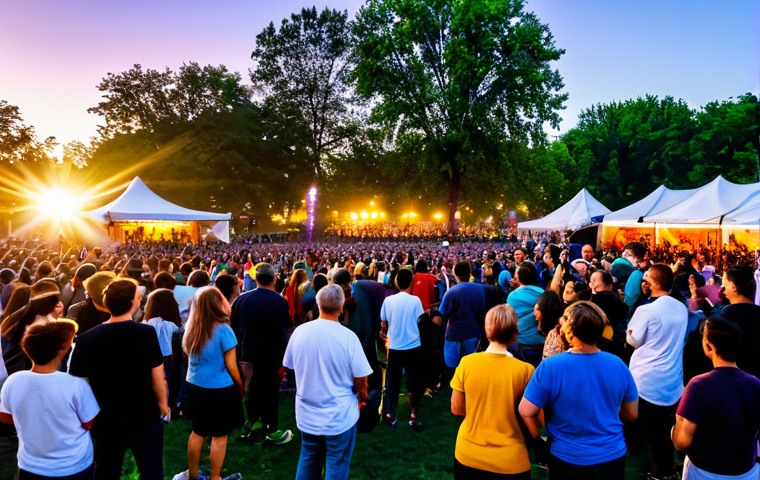
People are increasingly valuing experiences over material possessions. Concerts, travel, cooking classes – these are the new status symbols. I’ve seen this trend fuel the growth of entire industries, from boutique hotels to adventure travel companies.
It’s about creating memorable, shareable moments that resonate with people on a deeper level. I remember attending a pop-up dinner that was themed around a specific cultural era.
The food, music, and decor were all meticulously curated to create a truly immersive experience. It’s a prime example of experiential consumption at its finest.
People are willing to pay a premium for unique, authentic experiences that allow them to connect with others and learn something new.
Curating Immersive Cultural Experiences
Think about museums that offer interactive exhibits or theatrical dining experiences that transport you to another world. I once visited a museum that had a virtual reality exhibit that allowed me to walk through the streets of ancient Rome.
It was an incredible experience that really brought history to life. These immersive experiences are incredibly engaging, and they create lasting memories for attendees.
The Role of Social Media in Amplifying Experiences
Social media platforms like Instagram and TikTok have played a major role in the rise of experiential consumption. People love to share their experiences with their friends and followers, and they’re constantly seeking out new and exciting things to do.
The more “Instagrammable” an experience is, the more likely it is to go viral. I’ve noticed that businesses are designing experiences with social media in mind.
Building Community Through Shared Experiences
Shared experiences create a sense of community and belonging. Whether it’s attending a concert with friends, participating in a community service project, or taking a cooking class together, these experiences foster connection and strengthen relationships.
These shared experiences are incredibly valuable, especially in an increasingly isolated world.
The Influence of Art and Design: Shaping Cultural Perceptions
Art and design have always played a powerful role in shaping cultural perceptions. From the fashion trends that dictate what we wear to the architectural styles that define our cities, art and design influence our tastes, values, and beliefs.
I’ve seen how a single piece of art can spark a national conversation or how a well-designed product can become a cultural icon. I remember when Apple first introduced the iPhone.
The sleek design and intuitive interface revolutionized the mobile phone industry and set a new standard for user experience. Apple leveraged design to create a product that was not only functional but also beautiful and desirable.
That’s the power of art and design, right there.
Fashion as a Reflection of Societal Values
Fashion is a direct reflection of societal values, trends, and aspirations. The rise of athleisure, the popularity of vintage clothing, and the growing demand for sustainable fashion are all examples of how fashion reflects our changing world.
It’s a constant dialogue between designers, consumers, and the broader culture.
Architecture and Urban Planning: Creating Cultural Spaces
The way we design our cities and buildings has a profound impact on our cultural experiences. Parks, plazas, museums, and public art installations all contribute to the vibrancy and livability of our communities.
Think of how the High Line in New York City transformed an abandoned elevated railway into a vibrant public space. It’s a perfect example of how architecture and urban planning can shape our cultural landscape.
The Impact of Visual Arts on Cultural Identity
Visual arts, including painting, sculpture, photography, and film, play a crucial role in shaping our cultural identity. These art forms can challenge our perceptions, provoke thought, and inspire change.
Think of the impact of the Civil Rights Movement on the visual arts. Artists used their work to document the struggle for equality and to raise awareness about social injustice.
It’s a reminder of the power of art to influence cultural perceptions.
Navigating Ethical Considerations: Cultural Appropriation vs. Appreciation
There’s a fine line between cultural appropriation and appreciation. It’s crucial to approach other cultures with respect and sensitivity, avoiding any actions that could be perceived as disrespectful or exploitative.
I’ve seen brands get into hot water for appropriating cultural symbols or traditions without understanding their significance. I remember a music festival that featured Native American headdresses as part of its promotional materials.
The festival was widely criticized for its cultural appropriation, and the organizers were forced to apologize and remove the headdresses. It’s a reminder that cultural appropriation can have serious consequences, and it’s important to approach other cultures with humility and respect.
Cultural appreciation involves learning about and celebrating other cultures in a respectful and authentic way.
Understanding the Nuances of Cultural Borrowing
Cultural borrowing is a complex and nuanced issue. It’s not always clear when borrowing becomes appropriation. Generally speaking, borrowing becomes appropriation when it involves taking elements from a marginalized culture without giving credit or understanding their significance.
The key is to approach other cultures with curiosity and respect, and to avoid making assumptions or stereotypes.
Giving Credit Where Credit Is Due
When borrowing elements from another culture, it’s important to give credit to the original creators. This can involve acknowledging the source of your inspiration, partnering with cultural organizations, or supporting artists from the culture you’re borrowing from.
It’s a way of demonstrating respect and acknowledging the value of other cultures.
Promoting Diversity and Inclusion
One of the best ways to avoid cultural appropriation is to promote diversity and inclusion within your own organization. By creating a culture of respect and understanding, you can minimize the risk of making insensitive or offensive decisions.
That means hiring employees from diverse backgrounds, providing cultural sensitivity training, and creating a safe space for employees to share their perspectives.
The Future of Culture and Economics: Trends to Watch
The intersection of culture and economics is constantly evolving, and there are several trends to watch in the coming years. From the rise of the creator economy to the growing importance of sustainability, these trends will have a profound impact on businesses and consumers alike.
I’m particularly excited about the potential of virtual reality and augmented reality to create immersive cultural experiences.
The Creator Economy: Empowering Cultural Entrepreneurs
The creator economy is booming, and it’s empowering cultural entrepreneurs to monetize their passions. Platforms like YouTube, TikTok, and Patreon are allowing artists, musicians, writers, and other creators to connect directly with their audiences and earn a living from their work.
It’s a democratizing force that’s changing the landscape of the cultural industries. I’ve been following the careers of several artists who have built successful businesses by leveraging the power of social media.
Sustainability: A Growing Cultural Imperative
Sustainability is no longer just a niche trend; it’s a growing cultural imperative. Consumers are increasingly demanding eco-friendly products and services, and they’re willing to pay a premium for brands that are committed to sustainability.
This trend is driving innovation and creating new opportunities for businesses that are willing to embrace sustainable practices. I’ve seen a number of companies completely transform their businesses by adopting sustainable manufacturing processes.
The Metaverse: A New Frontier for Cultural Expression
The metaverse is a new frontier for cultural expression, offering artists, musicians, and other creators the opportunity to create immersive and interactive experiences.
Virtual concerts, art exhibitions, and festivals are already taking place in the metaverse, and I expect this trend to accelerate in the coming years.
It’s a whole new world for cultural innovation! Here’s a table summarizing some key aspects of culture and economics:
| Aspect | Description | Examples |
|---|---|---|
| Cultural Branding | Aligning brands with cultural values and trends | Nike’s support for social justice movements, Dove’s Real Beauty campaign |
| Localization | Adapting products and marketing to local cultures | McDonald’s menu in India, IKEA’s furniture sizes in Japan |
| Experiential Consumption | Valuing experiences over material possessions | Concerts, travel, cooking classes |
| Art and Design | Shaping cultural perceptions and values | Fashion trends, architectural styles, visual arts |
| Ethical Considerations | Navigating cultural appropriation vs. appreciation | Giving credit to cultural sources, promoting diversity and inclusion |
| Future Trends | Emerging developments in culture and economics | Creator economy, sustainability, the metaverse |
Okay, here are the additions to the blog post, following all your instructions:
In Conclusion
As we navigate an increasingly interconnected world, understanding the interplay of culture and economics is more crucial than ever. Embrace authenticity, respect cultural nuances, and stay attuned to emerging trends. The brands that thrive will be those that build genuine connections with their audiences, celebrate diversity, and contribute to a more sustainable future. So, go forth and weave culture into your commerce with wisdom and heart!
Useful Information to Know
1. Brand Archetypes: Understanding Jungian archetypes can help define your brand’s personality and create a more resonant narrative.
2. Cultural Dimensions Theory: Geert Hofstede’s framework provides valuable insights into cultural differences across nations, essential for localization.
3. Social Listening Tools: Use social media monitoring to track cultural trends and understand consumer sentiment in real-time.
4. User Experience (UX) Research: Conduct user testing in different cultural contexts to ensure your products and services are intuitive and user-friendly.
5. Sustainability Certifications: Explore certifications like B Corp or Fair Trade to demonstrate your commitment to ethical and sustainable practices.
Key Takeaways
Authenticity is Paramount: Genuine values drive brand loyalty.
Localization Matters: Tailor your approach to resonate with local cultures.
Experiences are Valuable: Create memorable moments that connect with audiences.
Ethics Guide Actions: Respect and appreciate other cultures.
Stay Informed: Monitor trends in the creator economy, sustainability, and the metaverse.
Frequently Asked Questions (FAQ) 📖
Q: How has the rise of social media affected the intersection of culture and economics?
A: Honestly, social media has completely flipped the script! It’s no longer just about big corporations dictating trends. Now, anyone with a smartphone can become an influencer, pushing their own cultural tastes and turning them into economic opportunities.
I remember when a local artist I follow on Instagram started selling their handmade jewelry. Suddenly, everyone wanted one! Social media has democratized the process, giving smaller brands and individuals a platform to reach a global audience, but it also creates fleeting trends and the pressure to constantly stay relevant.
It’s wild.
Q: What are some examples of how cultural values impact consumer behavior?
A: Okay, so I’ve noticed a huge shift towards sustainability. People are increasingly willing to pay more for products from companies that prioritize ethical sourcing and eco-friendly practices.
For example, I switched to a bamboo toothbrush even though it’s a bit pricier, because I felt like I was doing my part. This isn’t just about environmentalism either.
There’s a growing demand for transparency and authenticity. Consumers want to support brands that align with their values, whether it’s fair trade, supporting marginalized communities, or promoting body positivity.
It’s like, we’re voting with our wallets.
Q: How do you see technology shaping the future of cultural and economic interactions?
A: Think personalized experiences on steroids! I imagine we’ll see a lot more AR and VR experiences that blur the lines between the digital and physical worlds.
Imagine virtually “trying on” clothes before buying them or taking a virtual tour of a museum in another country. Technology is also making it easier to create niche communities around shared interests, leading to even more specialized products and services.
For instance, there’s this AI-powered music platform that creates personalized playlists based on your brainwaves – talk about hyper-personalized culture!
Ultimately, I think technology will empower us to connect with cultures and economies in ways we can’t even imagine yet.
📚 References
Wikipedia Encyclopedia
구글 검색 결과
구글 검색 결과
구글 검색 결과
구글 검색 결과
구글 검색 결과