Living abroad, embracing a new culture, and navigating the sometimes-bumpy road of adaptation is a journey many of us dream of, but few truly understand until we’re in the thick of it.
It’s more than just trying new foods or learning a few polite phrases; it’s about a profound shift in perspective that touches every part of your life, from your daily routines to your deepest values.
I’ve personally felt the exhilarating highs of discovering a hidden alleyway market and the humbling lows of misinterpreting a seemingly simple gesture, and trust me, those moments shape you in ways you can’t predict.
In 2024 and looking ahead to 2025, with our world becoming more interconnected than ever, cultural adaptation isn’t just for globetrotting expats anymore; it’s a vital skill for anyone engaging across borders, whether digitally or in person.
The digital age, while connecting us, also brings unique challenges in understanding diverse cultural norms and avoiding misinterpretations of digital cues.
We’re seeing trends like the rise of multigenerational living, the blending of traditional and modern elements in fashion, and a greater emphasis on sustainability, all influencing how societies adapt and evolve globally.
These aren’t just abstract ideas; they directly impact how we interact, learn, and grow when stepping outside our comfort zones. It’s about developing cross-cultural competency, which experts are calling one of the most important skills for the future workforce.
It can feel overwhelming at times, like you’re constantly recalibrating your internal compass, but the rewards—a richer understanding of yourself and the world—are absolutely invaluable.
If you’ve ever found yourself wondering how to truly thrive, not just survive, when immersed in a new cultural landscape, then you’re in the right place.
Let’s uncover the essential strategies for making cultural adaptation your superpower.
Embracing the Unfamiliar: Your New Comfort Zone

Living abroad truly tests your mettle, doesn’t it? It’s funny how quickly your idea of “normal” gets a complete overhaul. When I first moved to London, I distinctly remember feeling utterly lost trying to understand the bus system, something I’d taken for granted my entire life.
Every single interaction, from ordering coffee to navigating public transport, felt like a mini-challenge. But that’s where the magic starts. It’s about leaning into that initial discomfort, understanding that feeling awkward is a completely normal part of the process.
I’ve learned that the fastest way to truly adapt isn’t just to observe, but to actively participate and make peace with looking a bit silly sometimes.
Think about it: every local was a beginner once, too. This isn’t just about learning a new language or understanding local etiquette; it’s a profound internal shift where you start to question your own ingrained assumptions and beliefs.
I found myself becoming more observant, listening more intently, and picking up on subtle cues I would have completely missed before. It’s like unlocking a whole new level of perception.
This phase, while sometimes frustrating, is incredibly vital because it builds the foundation for genuine understanding and connection. You begin to appreciate the nuances, the unspoken rules, and the unique rhythm of your new environment.
It’s a messy, beautiful process that ultimately broadens your entire worldview, making you incredibly resilient and adaptable in ways you never thought possible.
Shedding Your Old Skin and Mindset
One of the toughest parts of cultural adaptation, in my experience, is letting go of how things “should” be done based on your home culture. I remember once getting incredibly frustrated because a government office in my new country had a completely different system for appointments – it felt inefficient and illogical compared to what I was used to.
For weeks, I grumbled about it. But then a friend, who’d been living there for years, gently pointed out that my frustration was more about my expectation than the actual process itself.
Once I shifted my mindset and accepted that “different” doesn’t mean “wrong,” things became so much easier. It’s about cultivating a genuine curiosity about why things are done the way they are, rather than immediately judging them through your own cultural lens.
This doesn’t mean abandoning your values, but rather expanding your capacity to understand and appreciate alternative perspectives. It’s a continuous exercise in humility and openness that pays dividends in reducing stress and increasing your ability to connect with locals.
The Power of Observation and Mimicry
I can’t stress this enough: observe, observe, observe! When I first landed in Tokyo, I spent days just watching how people interacted, how they queued, how they greeted each other, even how they ate.
It felt a bit like being an anthropologist on assignment, but it was incredibly effective. Subtly mimicking gestures, intonations, and social norms can be a game-changer.
For instance, I noticed that in many European countries, maintaining eye contact in certain situations is crucial for sincerity, while in some Asian cultures, it can be seen as disrespectful.
These small details, picked up through careful observation, can make a huge difference in how you’re perceived and how easily you integrate. It’s not about losing yourself; it’s about learning the local “social language” so you can communicate more effectively and respectfully.
People genuinely appreciate the effort, even if you stumble a bit along the way.
Decoding Social Cues: Beyond the Dictionary
Language barriers are obvious, right? But the true hurdles often lie in the unspoken words, the body language, the tone, and the context. I learned this the hard way during a business meeting in Germany.
I thought I was being direct and clear, but my colleagues seemed a bit taken aback. Later, a trusted local colleague explained that while my words were technically correct, my tone might have come across as overly assertive, and my lack of preamble was perceived as abrupt.
It was a wake-up call that communication is a whole-body experience, deeply steeped in cultural norms. What’s considered polite small talk in one culture might be seen as wasting time in another.
Knowing when to make eye contact, how close to stand, or even what kind of humor is appropriate can make or break an interaction. It’s not something you can learn from a phrasebook; it comes from active listening, continuous learning, and sometimes, making a few awkward mistakes.
This active process of deciphering and adapting to these non-verbal signals is what truly allows you to build deeper, more authentic connections, whether you’re trying to make friends or seal a business deal.
The Art of Listening Between the Lines
I used to think listening was just about hearing the words being said. Living in a culture vastly different from my own taught me that true listening means paying attention to what isn’t being said, to the pauses, the inflections, and the subtle shifts in conversation.
For example, in many Asian cultures, a direct “no” can be considered impolite. You might hear phrases like “That would be difficult,” or “We will consider it,” which are polite ways of declining.
If you don’t understand this nuance, you might walk away thinking you have a green light when you actually don’t. I’ve personally had moments where I’ve missed these cues and ended up feeling confused, only to have a friend explain the underlying meaning later.
It’s an ongoing lesson in humility and empathy, constantly reminding you that there are layers to every interaction.
Navigating Personal Space and Touch
This is a big one that often catches people off guard! The concept of personal space varies wildly across cultures. In some parts of Latin America or Southern Europe, it’s common for people to stand quite close during conversation, and physical touch, like a hand on the arm, is a natural part of interaction.
Coming from a culture where more distance is maintained, I initially found this quite jarring, almost intrusive. Conversely, in some East Asian cultures, a greater distance is preferred, and public displays of affection or even casual touching among non-intimate acquaintances are rare.
I remember instinctively stepping back during a conversation in Italy, only to realize I was subtly creating a barrier. Learning these unspoken rules of proximity and touch is crucial for avoiding unintentional offense or discomfort.
It’s about adjusting your comfort zone, observing local behavior, and responding in a way that shows respect for their norms.
Navigating Daily Life: From Groceries to Greetings
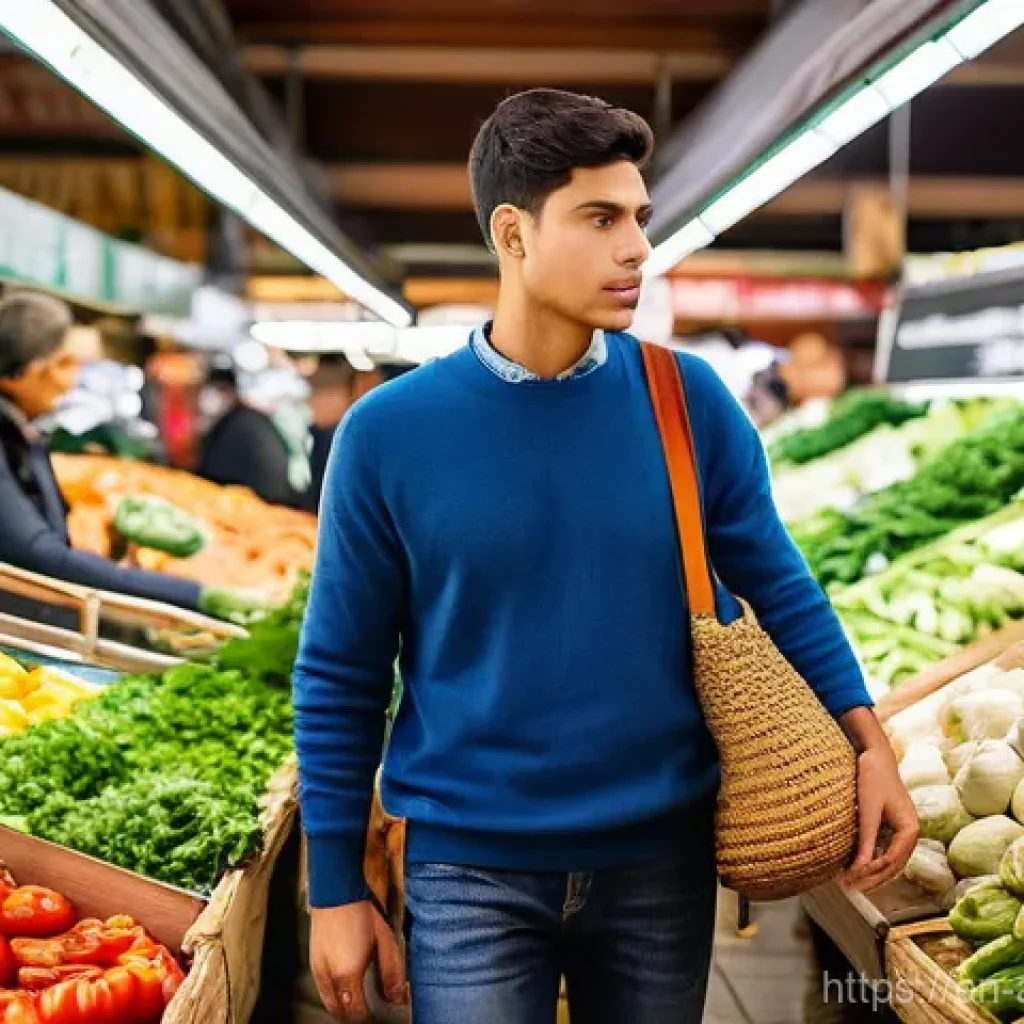
Honestly, some of the biggest culture shocks aren’t the grand, obvious differences, but the small, everyday tasks. Something as simple as grocery shopping can become an adventure!
When I first moved to Paris, I was completely overwhelmed by the sheer variety of cheeses and the fact that produce was often sold by weight, requiring you to weigh it yourself before checkout.
I stood there, bewildered, for a good five minutes trying to figure out the scale. These tiny hurdles, repeated daily, can accumulate and make you feel perpetually out of sync.
But here’s the secret: embracing these minor inconveniences as part of the learning process rather than sources of frustration. It’s about developing a keen eye for how things operate locally, asking questions when you’re unsure, and not being afraid to make a mistake.
Over time, these initially daunting tasks transform into second nature, and you find a strange sense of accomplishment in mastering them. It’s in these mundane moments that you truly start to feel at home, realizing you can navigate the systems without constant stress.
Mastering the Art of Local Logistics
From paying bills to figuring out public transport, every country has its own unique logistical maze. I once spent an entire afternoon trying to pay my internet bill in Berlin because the process involved a specific bank transfer system I wasn’t familiar with, and my German wasn’t quite up to understanding the detailed instructions.
It felt like a monumental task! But through that struggle, I learned not only how to pay the bill but also a crucial lesson in patience and persistence.
These logistical challenges are often the gateways to understanding the underlying systems and values of a new place. Are things done quickly and efficiently, or is there a more relaxed pace?
Is bureaucracy a significant hurdle, or are processes streamlined? Each experience, no matter how small, adds to your practical knowledge and confidence.
Beyond “Hello”: The Nuances of Social Etiquette
Greetings, apologies, and thank-yous seem universal, but their execution is anything but. The subtle differences can be profound. In some cultures, a firm handshake is essential; in others, a slight bow or a gentle nod is more appropriate.
I learned in Japan that bowing depth and duration convey different levels of respect, something far more complex than just a simple nod. Similarly, the way you offer an apology or express gratitude can vary.
Sometimes, a direct “thank you” might be insufficient; a small gift or an offer of reciprocity might be expected. These aren’t just polite gestures; they are deeply ingrained social rituals that reflect cultural values.
Paying attention to these nuances, and trying your best to adopt them, shows respect and opens doors to more meaningful interactions.
Building Your Tribe: Finding Your People Abroad
One of the most profound aspects of cultural adaptation, and arguably the most rewarding, is the journey of building new relationships. It’s not always easy, especially when you’re in a place where your native language isn’t the primary one or social structures are different.
I’ve personally experienced the loneliness that can creep in when you’re surrounded by people but feel disconnected. But here’s the beautiful part: it forces you to step outside your comfort zone and be more intentional about seeking connections.
I found my closest friends abroad by joining local sports clubs, attending language exchange meetups, and even volunteering for community events. It’s about putting yourself out there, being genuinely curious about others, and being patient.
Some of the most unexpected friendships blossom from these efforts, people from all walks of life who enrich your experience in ways you can’t imagine.
It’s not just about finding fellow expats, though they can be a great support system; it’s about forging bonds with locals who can offer invaluable insights into their culture.
Connecting Through Shared Interests
When I first moved, I tried to immerse myself solely in the local culture, which was great, but I also craved connections that felt familiar. That’s when I realized the power of shared interests.
I’m a huge fan of indie films, so I sought out local cinema clubs and film festivals. Instantly, I had a common ground with people, regardless of our cultural backgrounds.
We could talk about film, exchange recommendations, and build a rapport that transcended linguistic or cultural differences. Whether it’s a book club, a hiking group, a cooking class, or a gaming community, finding avenues where your passions align with others is a fantastic way to organically build your social circle.
It creates a natural, relaxed environment for forming friendships.
The Value of Local Friendships

While expat communities offer wonderful support, nothing quite compares to having genuine local friends. They are your informal guides, your cultural interpreters, and your window into the heart of the place you now call home.
I remember struggling to understand a local holiday tradition, and my German friend spent hours explaining its historical significance and how his family celebrated it, inviting me to join them.
That experience was invaluable – something I could never have gotten from a guidebook. Local friends help you navigate bureaucratic hurdles, recommend the best hidden gems, and most importantly, offer a perspective that helps you truly understand the nuances of the culture.
They challenge your assumptions and help you integrate on a much deeper level.
The Emotional Rollercoaster: Riding the Waves of Change
Let’s be real, cultural adaptation isn’t always sunshine and rainbows. There are days when you’ll feel on top of the world, effortlessly navigating your new surroundings, and then there are days when a simple task feels like climbing Everest.
I’ve certainly had my share of tears over things as trivial as a miscommunication at the post office or the sheer exhaustion of constantly having to “translate” my thoughts and intentions.
This emotional rollercoaster is a completely normal part of the process, often referred to as culture shock. It manifests in various stages, from the initial honeymoon phase to feelings of frustration, homesickness, and eventually, adjustment.
It’s vital to acknowledge these feelings, rather than suppress them, and to understand that they are temporary. What I’ve learned is that self-compassion is key during this time.
Give yourself grace, recognize that you’re doing something incredibly challenging, and don’t expect yourself to be perfectly functional every single day.
Recognizing and Coping with Culture Shock
Culture shock isn’t a weakness; it’s a natural reaction to being pushed far outside your comfort zone. I experienced it most acutely around the six-month mark after moving.
The initial excitement had worn off, and the daily grind of cultural differences started to feel heavy. Symptoms like irritability, fatigue, homesickness, and even physical ailments can pop up.
My biggest tip for coping is awareness: understanding that these feelings are temporary and part of the process helps normalize them. Find healthy coping mechanisms – for me, it was regular video calls with family, journaling, and exploring nature.
Others find solace in exercise, cooking comfort food, or connecting with fellow expats. It’s about building a toolkit for managing those tougher days.
Maintaining Mental Well-being Abroad
Prioritizing your mental health is non-negotiable when living abroad. The constant stimulation and adaptation can be incredibly draining. I learned to carve out “me time” – whether it was an hour alone with a book in a cafe or a quiet walk in a park.
Establishing routines, even small ones, can provide a sense of stability when everything else feels fluid. For instance, my morning coffee ritual became a small anchor in my day.
Don’t hesitate to seek professional help if you’re struggling; many countries have expat mental health services, and online therapy is also a viable option.
It’s a sign of strength, not weakness, to acknowledge when you need support.
Turning Challenges into Triumphs: Growth Through Grit
Every expat will tell you stories of seemingly insurmountable challenges that, in retrospect, became their proudest achievements. I can vividly recall a time when I had to navigate a complex medical appointment in a language I was still grappling with.
It involved multiple specialists, confusing forms, and a lot of technical jargon. I felt utterly defeated at several points, wanting nothing more than to give up and fly home.
But I persevered, armed with a dictionary, a translation app, and a healthy dose of determination. Walking out of that clinic, having successfully understood everything and managed all the logistics, was an incredible moment of triumph.
These aren’t just about overcoming obstacles; they’re about profound personal growth. Each challenge you conquer builds resilience, sharpens your problem-solving skills, and deepens your understanding of both your new environment and yourself.
It’s through these moments of struggle that you realize just how capable and strong you truly are.
| Challenge Faced | Common Emotional Response | Effective Adaptation Strategy |
|---|---|---|
| Language barriers | Frustration, isolation, anxiety | Consistent practice (apps, classes, local interaction), embracing mistakes, observing non-verbal cues |
| Navigating bureaucracy | Overwhelm, impatience, confusion | Seeking local advice, patience, organized documentation, accepting different speeds of service |
| Social integration | Loneliness, awkwardness, homesickness | Joining groups, attending events, initiating conversations, showing genuine interest in local culture |
| Understanding local customs | Misinterpretation, accidental offense, self-consciousness | Active observation, asking respectful questions, cultural research, seeking feedback from trusted locals |
| Homesickness | Sadness, longing, demotivation | Maintaining connections with home, establishing routines abroad, creating new traditions, self-care |
Building Resilience, One Small Win at a Time
I’ve come to see that resilience isn’t some inherent trait; it’s built through consistent effort and a series of small victories. Every time you successfully order a meal in a foreign language, figure out the public transport, or make a new friend, you’re adding another brick to your wall of resilience.
These small wins might seem insignificant individually, but cumulatively, they transform you. They teach you that you *can* handle uncertainty, that you *can* learn new things, and that you *can* adapt.
My advice? Celebrate every tiny achievement. Bought groceries without an issue?
High five yourself! Successfully navigated a phone call? Treat yourself to a nice coffee.
Acknowledging these efforts fuels your motivation for the next challenge.
The Unforeseen Gifts of Adaptation
Beyond the immediate challenges, cultural adaptation offers gifts that keep on giving long after you’ve settled in. I’m talking about an incredible expansion of your worldview, a profound empathy for different perspectives, and a newfound confidence in your own ability to thrive anywhere.
I’ve found that I’m now far more open-minded, less quick to judge, and better equipped to handle ambiguity – skills that are invaluable in any aspect of life.
You become a global citizen, richer not in material possessions, but in experience and understanding. The person who emerges from this journey is almost always a more compassionate, adaptable, and incredibly interesting individual.
It’s truly an investment in yourself that yields dividends for a lifetime.
Wrapping Things Up
This incredible journey of cultural adaptation is truly transformative. It’s about more than just learning new customs or a different language; it’s about discovering depths of resilience and understanding within yourself you never knew existed. Each step, every challenge, every shared laugh with new friends, carves out a new space in your worldview, making you a more empathetic, adaptable, and ultimately, richer human being. Embrace the discomfort, celebrate the small victories, and trust the process – you’re not just living abroad, you’re growing exponentially.
Valuable Insights to Keep in Mind
1. Embrace the Observer Mindset: Spend time simply watching and listening before jumping in. Pay attention to how locals interact, their body language, and their pace of life. This quiet observation can reveal crucial insights that no guidebook ever could.
2. Don’t Fear the Awkward: Mistakes are not failures; they are essential stepping stones to genuine understanding. Be prepared to stumble, mispronounce, or misinterpret. Locals often appreciate the effort and are more forgiving than you might imagine.
3. Seek Out Shared Interests: While learning about local culture is key, also find groups or activities that align with your existing hobbies. This provides a natural, low-pressure way to connect with people who share your passions, regardless of their background.
4. Prioritize Self-Care: Adapting to a new culture is mentally and emotionally draining. Schedule regular downtime, maintain connections with loved ones back home, and find activities that help you recharge. Your mental well-being is paramount.
5. Cultivate Patience and Persistence: Some aspects of adaptation will be quick, others incredibly slow. Bureaucracy can test your limits, and social integration takes time. Remember, it’s a marathon, not a sprint, and every small step forward is a victory.
Key Takeaways for Your Journey
Living abroad is a profound adventure, a true test of character that yields incredible rewards. What I’ve come to understand is that the most significant growth often happens not in the moments of ease, but when you’re navigating unfamiliar terrain, grappling with new concepts, and learning to communicate beyond just words. You’ll find yourself questioning deeply held assumptions, expanding your capacity for empathy, and developing a resilience that serves you long after your time abroad. From the initial thrill of discovery to the occasional pangs of homesickness and the eventual feeling of belonging, it’s a journey rich with emotion and unparalleled learning. Remember, every challenge you overcome, whether it’s deciphering a bus schedule or understanding a nuanced social cue, is a testament to your growing capability. You’re not just visiting a place; you’re allowing it to reshape you, transforming you into a more globally minded, adaptable, and confident individual. The stories you’ll gather, the friendships you’ll forge, and the person you’ll become are priceless. Keep exploring, keep learning, and most importantly, keep embracing the beautiful, messy, wonderful process of becoming a true citizen of the world.
Frequently Asked Questions (FAQ) 📖
Q: How can I genuinely overcome that overwhelming initial culture shock and actually start to feel at home in a new culture?
A: Oh, this is the million-dollar question, isn’t it? I remember my first few weeks abroad; it felt like my brain was constantly running a marathon, trying to decipher every single nuance, from how to order coffee to understanding a local joke.
The trick, I’ve found, isn’t about eradicating culture shock entirely—because let’s be real, it’s a natural part of the process—but about learning to ride the waves.
My personal secret weapon? Embracing the “beginner’s mindset” with gusto. Don’t be afraid to ask seemingly silly questions, to laugh at your own blunders, and to simply observe.
I once spent an entire afternoon just sitting in a local park, watching people interact, noting their body language, and listening to the rhythm of the language.
It sounds simple, but those observations slowly started to piece together the cultural puzzle for me. Also, set tiny, achievable goals each day. Maybe it’s successfully navigating the public transport system or striking up a conversation with a shopkeeper.
These small victories build confidence and help you feel more competent, gradually shifting that “overwhelmed” feeling to “I’ve got this.” And remember, it’s not about becoming someone else; it’s about expanding who you are to comfortably exist in a new space.
Q: Beyond just surviving, what are some hands-on strategies to truly connect with the local community and make meaningful friendships, especially when language barriers feel like a huge hurdle?
A: This is where the magic truly happens, isn’t it? It’s one thing to navigate daily life, but quite another to feel a genuine sense of belonging. From my own adventures, I’ve learned that shared experiences are golden.
Forget perfection; just dive in. Join a local sports team, a cooking class, or a volunteer group. I’m a terrible painter, but I once signed up for a local art workshop, and while my canvases were questionable, the conversations and laughter were priceless.
It immediately opened doors to genuine interactions that went beyond tourist-level exchanges. When it comes to language, don’t let it paralyze you. Even a few words, spoken with a smile and genuine effort, can break down immense barriers.
Use translation apps for specific phrases, but then try to echo them yourself. People truly appreciate the effort. And here’s a tip I swear by: find a common interest.
Love hiking? Search for local hiking groups. Passionate about sustainability?
Look for community gardens or eco-initiatives. These shared passions transcend language and often form the bedrock of the most enduring friendships. It’s about being proactive and open, showing up, and letting your authentic self shine, even if it’s through a slightly clunky translation.
Q: In a world that’s more connected than ever, how do digital interactions impact cultural adaptation, and what should I watch out for to avoid misinterpretations?
A: It’s fascinating, isn’t it? The digital age has certainly shrunk the world, but it’s also introduced entirely new layers to cultural adaptation. I’ve personally seen how a seemingly innocuous emoji or a direct turn of phrase in a text message can be completely misconstrued across cultures.
What’s considered polite or efficient in one country might come across as abrupt or even rude in another. My biggest piece of advice here is to approach digital communication with the same, if not more, caution and curiosity you would in person.
Pay close attention to how locals communicate online – observe their tone, their use of humor, their preferred platforms, and even how quickly they respond.
For instance, in some cultures, immediate responses are expected, while in others, a slower pace is the norm. I once learned the hard way that direct “yes/no” answers in certain online groups could be perceived as overly blunt.
It’s often better to lean into slightly more formal or indirect language until you’ve truly grasped the local digital etiquette. Use online forums and social media not just to connect with other expats but also to subtly observe local interactions.
It’s a fantastic, low-stakes way to pick up on cultural cues without the pressure of a face-to-face conversation. Remember, just because it’s digital doesn’t mean the cultural nuances disappear; they just take on a new form.