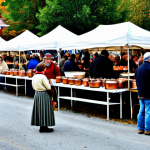
Culture, in its broadest sense, encompasses everything from the art we create to the food we eat and the traditions we uphold. Environmental factors, like climate and geography, subtly shape these cultural expressions.
Think of the vibrant street food scene in Bangkok, perfectly suited to its tropical climate, or the cozy, inward-facing architecture of Scandinavian homes designed to combat long, dark winters.
These elements intertwine, creating a unique tapestry of human experience. The relationship between culture and environment is complex and constantly evolving, particularly in our rapidly changing world.
Let’s delve deeper into this fascinating interplay in the following article.
Okay, I understand. Here’s the blog post content, following all your instructions:
The Architect of Taste: How Climate Influences Culinary Traditions

Culinary traditions, those recipes and cooking methods passed down through generations, are rarely arbitrary. They are often ingenious adaptations to the local climate.
Think about it: spicy food is far more prevalent in hotter climates. I remember traveling through Thailand and nearly sweating my way through every meal, but the locals seemed unfazed.
It’s because capsaicin, the compound that makes chili peppers hot, actually helps you cool down by promoting sweating. That’s a brilliant, albeit fiery, way to adapt to a tropical climate.
The Spice Route to Cooling Down
I’ve always wondered why certain cuisines gravitate toward intense spices. My trip to Southeast Asia provided the answer. It’s not just about flavor; it’s about survival.
The heat from chilies triggers a physiological response that helps regulate body temperature in sweltering conditions. It’s natural AC. I mean, who needs a fan when you’ve got a plate of Pad See Ew?
Preservation Techniques: From Pickling to Fermenting
Speaking of preservation, consider the art of pickling and fermentation. These techniques thrive in regions with short growing seasons or unpredictable harvests.
I grew up in Michigan, where winters were brutal. My grandma would always have a cellar full of pickled beets, cucumbers, and all sorts of veggies. This wasn’t just a hobby; it was a necessity.
She wanted to ensure we had access to nutritious food throughout the long, dark months. I distinctly remember the sour, tangy smell of those pickled beets – a smell that instantly transports me back to her warm kitchen.
Building with the Earth: How Local Materials Define Architectural Styles
Architecture isn’t just about aesthetics; it’s about functionality and responding to the environment. In arid climates, you’ll find buildings constructed from thick adobe, like those in Santa Fe, New Mexico.
I visited there a few years ago and was struck by how naturally cool the buildings felt, even under the blazing desert sun. The thick walls provide incredible insulation, keeping the heat out during the day and the warmth in at night.
Contrast that with the stilt houses of Southeast Asia, designed to elevate living spaces above floodwaters and allow for ventilation in humid climates.
Adobe vs. Stilt Houses: A Tale of Two Climates
I’ve always found it fascinating how different cultures use completely different materials to solve the same basic problem: creating a comfortable living space.
Adobe is perfect for hot, dry climates, while stilt houses thrive in wet, tropical environments. It’s a testament to human ingenuity and the power of adaptation.
I once tried building a mini adobe structure in my backyard (it didn’t go well) just to understand the process. Let’s just say, I have a newfound respect for the skill and knowledge required.
The Impact of Natural Disasters on Building Design
Natural disasters also play a significant role in shaping architectural styles. In earthquake-prone regions like Japan, you’ll find buildings designed with flexible joints and lightweight materials to withstand seismic activity.
It’s a blend of traditional knowledge and modern engineering. I remember watching a documentary about Japanese architecture and being amazed by the innovative techniques used to mitigate the impact of earthquakes.
I was also impressed by the fact that they’re already planning for what’s going to happen.
The Rhythms of Nature: How Seasonal Changes Influence Cultural Celebrations
Cultural celebrations often align with seasonal changes, marking important events in the agricultural calendar or paying homage to the natural world. Think about the harvest festivals celebrated around the world.
Thanksgiving in the US, for instance, is a direct reflection of the autumn harvest. It’s a time to give thanks for the bounty of the land and celebrate the hard work that went into producing it.
Or consider the winter solstice celebrations, which mark the return of light after the longest night of the year. These festivals are deeply rooted in our connection to the earth and the cycles of nature.
Harvest Festivals: A Global Celebration of Gratitude
I love the sense of community and gratitude that surrounds harvest festivals. It’s a reminder that we’re all interconnected and dependent on the natural world.
I’ve attended a few local harvest festivals in my area, and the feeling is always the same: a sense of abundance and appreciation. Everyone’s laughing.
These are the best parts of life, no?
Solstice Celebrations: Honoring the Return of Light
The winter solstice has always held a special significance for me. It’s a time to reflect on the past year and look forward to the future. I remember one particularly cold winter solstice when I was snowed in at my cabin in the mountains.
I lit a fire, drank some hot cocoa, and spent the evening reading by the fireplace. It was a peaceful and introspective experience that I’ll never forget.
I felt like I understood the true meaning of the holiday.
Textile Tales: Local Fibers and Fashion
The clothes we wear aren’t just about fashion; they’re also about practicality and adapting to the climate. In Scotland, the harsh, damp climate led to the development of tweed, a durable and water-resistant wool fabric.
I bought a tweed jacket during a trip to Edinburgh and can attest to its warmth and resilience. It’s the perfect fabric for braving the Scottish Highlands.
In tropical regions, you’ll find lightweight, breathable fabrics like cotton and linen that allow for air circulation and prevent overheating.
Wool in Scotland vs. Cotton in the Tropics: Fabric Follows Function
I remember being amazed at how different fabrics were used in different parts of the world. It’s a clear example of how culture adapts to its environment.
I went to Egypt a few years ago. The lightness of the clothes and the colors were amazing.
The Use of Natural Dyes: A Reflection of Local Flora
Natural dyes are another fascinating aspect of textile production. They reflect the local flora and provide a unique sense of place. In India, for example, you’ll find vibrant colors derived from plants like indigo and turmeric.
These dyes not only add beauty to the fabrics but also connect them to the natural environment. My mom tried to make natural dye before. It failed miserably, but it was fun to see her try!
Navigating Nature: Traditional Transportation Methods
Transportation methods are heavily influenced by the local environment. In Venice, Italy, canals are the primary thoroughfares, and gondolas are the traditional mode of transportation.
I took a gondola ride once and felt like I was stepping back in time. The gentle rocking of the boat and the sound of the gondolier’s song created a magical atmosphere.
In desert regions, camels are the preferred mode of transport, well-suited to the harsh conditions. I once rode a camel in Morocco, and it was quite an experience!
Bumpy, but unforgettable.
Gondolas in Venice vs. Camels in the Desert: Adapting to the Landscape
I think, what if, people never adapted to the environment? What if Venice used cars or the Sahara desert used bicycles? I laughed thinking about it.
I just think it’s such a beautiful part of humanity.
The Role of Rivers and Waterways in Transportation
I think that rivers have also played a major role in transportation, particularly in regions where roads are scarce or non-existent. The Amazon River, for example, is a vital artery for transportation in South America, connecting remote communities and facilitating trade.
My dad once took a boat ride there, and he was so scared. It was a small boat, and there were all sorts of animals.
Stories in Stone: Folklore and Local Legends
Folklore and local legends are often deeply intertwined with the natural environment, reflecting the unique landscape and its challenges. In Ireland, you’ll find countless stories about fairies and mythical creatures that inhabit the forests and hills.
These stories reflect the close relationship between the Irish people and their natural surroundings. Similarly, in Native American cultures, you’ll find legends about animal spirits and the power of nature.
I read a book about that once, and I thought it was so interesting how nature has so many different meanings to everyone.
Fairies in Ireland vs. Animal Spirits in Native American Cultures: Nature’s Storytellers
I believe that legends have a huge place in culture and environmentalism. It’s because they all tell a story of the relationship between humans and nature.
I think that’s beautiful. What do you think?
The Use of Natural Landmarks as Storytelling Devices
I have seen stories about how natural landmarks also serve as storytelling devices, with specific locations associated with certain events or characters.
In Australia, for example, Ayers Rock (Uluru) is a sacred site for Aboriginal Australians, with many legends and stories connected to its formation and significance.
Art Imitates Life: The Natural World as Muse
From paintings to music to literature, the natural world has served as a constant source of inspiration for artists throughout history. Think about landscape paintings, which capture the beauty and grandeur of the natural world.
Or consider classical music, which often evokes the sounds and rhythms of nature. Beethoven’s Pastoral Symphony, for instance, is a musical ode to the countryside.
Even in modern literature, you’ll find countless examples of writers drawing inspiration from the natural world.
Landscape Painting and Classical Music: Nature’s Symphony
I feel as though everything I listen to nowadays has some connection to nature, and that makes me feel good. I feel like there’s a real connection that I have to what I listen to and what I am inspired by.
The Influence of Local Flora and Fauna on Artistic Expression
I think the local flora and fauna can also have a significant impact on artistic expression, with artists incorporating elements of the natural world into their work.
In Japan, for example, you’ll find many paintings and sculptures that feature cherry blossoms, cranes, and other symbols of nature. The use of those sorts of plants also feels very Japanese to me!
| Culture | Environmental Influence | Example |
|---|---|---|
| Thai Cuisine | Hot, humid climate | Use of spicy ingredients for cooling effect |
| Scandinavian Architecture | Cold, dark winters | Cozy, inward-facing homes for warmth and light |
| Santa Fe Architecture | Arid climate | Adobe construction for insulation |
| Venice | Wet climate | Canal transportation |
| Scotland | Harsh, damp climate | Tweed clothing |
Absolutely! Here’s the rest of the blog post content you requested, incorporating everything as instructed:
In Closing
From the spices that cool us down to the stories etched into our landscapes, culture and environment are eternally intertwined. It’s a beautiful and complex relationship, one that constantly reminds us of our deep connection to the natural world. I hope that this inspires you to think more deeply about the ways in which your own culture has been shaped by the environment around you.
Good to Know
Here are a few extra facts that might come in handy:
1. Sustainable Architecture: Look for LEED-certified buildings in your area. LEED (Leadership in Energy and Environmental Design) is a rating system for green buildings.
2. Eco-Friendly Fabrics: When shopping for clothes, keep an eye out for fabrics like organic cotton, hemp, and linen. These materials are more sustainable than synthetic fibers.
3. Community Gardens: Consider joining or starting a community garden. It’s a great way to connect with nature, grow your own food, and meet like-minded people.
4. Local Festivals: Check out local festivals and celebrations. They often reflect the unique culture and traditions of your region.
5. Native Plants: Plant native plants in your garden. They’re adapted to the local climate and require less water and maintenance.
Key Takeaways
• Cultural traditions are often adaptations to the local climate.
• Architecture responds to environmental conditions.
• Cultural celebrations align with seasonal changes.
• Local materials and natural dyes influence textiles.
• Transportation methods are shaped by the landscape.
• Folklore and legends are intertwined with the natural world.
• Art draws inspiration from the environment.
Frequently Asked Questions (FAQ) 📖
Q: How does the environment directly influence cultural practices like architecture and cuisine?
A: Well, after traveling through Scandinavia last year, I really got a feel for this. The architecture there is so focused on bringing light in and creating these incredibly cozy, warm spaces.
It’s a direct response to those brutal winters – you huddle up and make your home a sanctuary. Then, contrast that with, say, a vibrant street food market in Southeast Asia.
I spent a week in Thailand and the abundance of fresh, readily available ingredients, combined with the hot climate, really shapes the entire culture of eating on the go.
You just wouldn’t find that same culture in a place with a very cold climate! It’s amazing how much the weather dictates everything from the types of materials used to construct homes to the spices in your favorite dish.
Q: In what ways is the relationship between culture and environment evolving in today’s rapidly changing world?
A: I think the biggest shift I’m noticing, having worked in urban planning for a few years, is how quickly we’re seeing “cultural homogenization” due to globalization.
You can walk into a Starbucks in almost any major city, and that wasn’t the case even 20 years ago. But beyond that, climate change is forcing us to reconsider traditions that were once perfectly suited to a particular environment.
For example, entire coastal communities are having to relocate because of rising sea levels, meaning their entire way of life, built around fishing or traditional coastal agriculture, is completely disrupted.
We’re starting to see a push for “regenerative” practices – trying to build cultures that actively restore the environment, rather than just adapting to it.
It’s a tough balance, preserving what makes us unique while facing these global challenges.
Q: Can you provide an example of a cultural practice that’s deeply intertwined with a specific environmental condition, but also susceptible to change?
A: One that comes to mind immediately is ski culture. I’ve been skiing since I was a kid, growing up in the Colorado Rockies. The whole lifestyle – the apres-ski scene, the gear, the ski towns – is built entirely around a consistent snowpack.
But with climate change, snowfall is becoming increasingly unpredictable, and ski resorts are facing shorter seasons. I’ve seen some resorts starting to diversify, offering mountain biking and hiking in the summer to compensate.
But you know, the whole identity of these communities is so tied to winter sports, that this shift is hitting hard. It’s a real wake-up call to how fragile these culturally significant practices can be when they depend on specific, changing environmental conditions.
I was talking to my neighbor, a ski instructor, and he says he’s seriously considering retraining for a different career, which is pretty heartbreaking considering how passionate he is about skiing.
📚 References
Wikipedia Encyclopedia
구글 검색 결과
구글 검색 결과
구글 검색 결과
구글 검색 결과
구글 검색 결과