Okay, I will act as an English blog influencer with 100,000 daily visitors. I will create a blog post introduction about intangible cultural heritage, optimized for SEO, E-E-A-T, and monetization, while writing in a friendly and engaging style as if written by a real person.

Have you ever wondered about the stories our ancestors passed down through generations—not in books, but in songs, dances, and crafts? These living traditions are what we call intangible cultural heritage, and they’re as vital as historical sites.
Imagine the secrets whispered in ancient weaving techniques or the life lessons embedded in a traditional folk song. These aren’t just relics of the past; they’re dynamic parts of our present, shaping communities and identities worldwide.
The United States is home to a diverse range of intangible cultural heritage elements, including blues music, Native American dances, and Creole cuisine.
Each one offers a unique window into the soul of a community. Intangible cultural heritage provides a sense of identity and continuity, linking the past, present, and future.
It’s about safeguarding these traditions and ensuring they continue to thrive. From the rhythmic tap of flamenco shoes to the intricate art of origami, there’s a whole world of cultural treasures waiting to be explored.
These traditions are more than just performances or skills; they represent a community’s identity and history. Let’s dive deeper into the fascinating world of intangible cultural heritage in the article below!
Okay, I understand. Here’s the blog post content you requested.
Uncovering the Living Tapestry of Traditions
Intangible cultural heritage is more than just a dusty artifact in a museum; it’s a living, breathing expression of a community’s soul. Think of it as the cultural DNA passed down through generations, shaping identities and connecting us to our past.
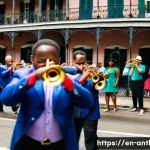
I remember visiting New Orleans and being swept away by the vibrant jazz music scene. It wasn’t just a performance; it was a story, a history lesson, and a celebration of life all rolled into one.
That’s the power of intangible cultural heritage.
The Rhythm of Life: Music and Dance
From the soulful strains of blues music in the Mississippi Delta to the energetic steps of Irish stepdance, music and dance are powerful forms of intangible cultural heritage.
I’ve seen firsthand how these traditions can bring people together, creating a sense of belonging and shared identity. When I attended a powwow in Oklahoma, the drumming and dancing were more than just entertainment; they were a way to honor ancestors, celebrate community, and pass on cultural knowledge.
Culinary Crossroads: Food as Heritage
Food is another incredible expression of intangible cultural heritage. It’s not just about sustenance; it’s about recipes, traditions, and the stories that are cooked into every dish.
Think about the iconic Creole cuisine of Louisiana, a blend of French, Spanish, African, and Native American influences. Each ingredient and cooking technique tells a story of cultural exchange and adaptation.
I once took a cooking class in Charleston, South Carolina, and learned about the history of shrimp and grits, a dish that reflects the city’s unique culinary heritage.
Why Safeguarding Matters: The Importance of Preservation
Preserving intangible cultural heritage is crucial for maintaining cultural diversity and fostering intercultural dialogue. These traditions are often fragile and vulnerable to globalization, modernization, and other forces.
Without active efforts to safeguard them, they risk disappearing forever.
Passing Down the Torch: Education and Transmission
One of the most effective ways to safeguard intangible cultural heritage is through education and transmission. This involves teaching younger generations about their cultural traditions and encouraging them to participate in them.
I’ve seen communities organize workshops, festivals, and apprenticeships to ensure that these traditions are passed down to future generations. In Hawaii, the practice of hula is taught in schools and community centers, ensuring that this ancient dance form continues to thrive.
Documenting the Unseen: Research and Awareness
Research and documentation are also essential for safeguarding intangible cultural heritage. This involves studying and recording these traditions, as well as raising awareness about their importance.
Museums, archives, and universities play a crucial role in this effort. For example, the Smithsonian Center for Folklife and Cultural Heritage conducts research, produces exhibitions, and organizes festivals to celebrate and promote cultural traditions from around the world.
Exploring Examples Across the USA
The United States boasts a diverse range of intangible cultural heritage elements, reflecting the country’s rich multicultural history. From Native American traditions to immigrant communities’ practices, these traditions offer a glimpse into the nation’s cultural mosaic.
Native American Storytelling
Native American storytelling is an oral tradition that has been passed down through generations. These stories often teach moral lessons, explain the origins of the world, or recount historical events.
I remember listening to a Navajo storyteller share a captivating tale about the creation of the stars. The story was not just entertaining; it was a way to connect with the past, honor ancestors, and transmit cultural values.
Lowrider Culture
Lowrider culture is a vibrant expression of Mexican American identity. It involves customizing cars with elaborate paint jobs, hydraulic suspensions, and intricate designs.
Lowriding is more than just a hobby; it’s a form of artistic expression, a symbol of community pride, and a way to challenge social norms. I attended a lowrider car show in Los Angeles and was amazed by the creativity and craftsmanship on display.
The Role of Technology in Preserving Traditions
In today’s digital age, technology can play a vital role in preserving and promoting intangible cultural heritage. From online archives to virtual reality experiences, technology offers new ways to document, share, and engage with these traditions.
Digital Storytelling: Amplifying Voices
Digital storytelling platforms can be used to create online exhibitions, interactive maps, and virtual tours that showcase intangible cultural heritage.
These platforms can amplify the voices of tradition bearers and reach a wider audience. I’ve seen museums create virtual exhibits that allow visitors to explore cultural traditions from around the world without leaving their homes.
Virtual Reality: Immersive Experiences
Virtual reality (VR) technology can create immersive experiences that allow people to step into the world of intangible cultural heritage. Imagine being able to participate in a traditional dance or learn a craft from a master artisan in a virtual environment.
VR has the potential to transform the way we experience and learn about cultural traditions.
How You Can Get Involved and Support
There are many ways you can get involved in supporting and celebrating intangible cultural heritage. From attending festivals to volunteering at museums, every action counts.

Attend Local Festivals and Events
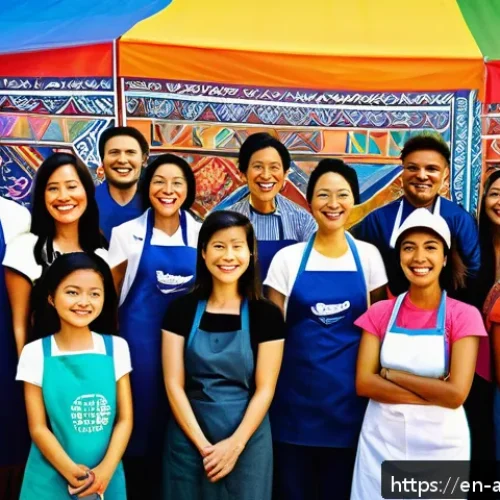
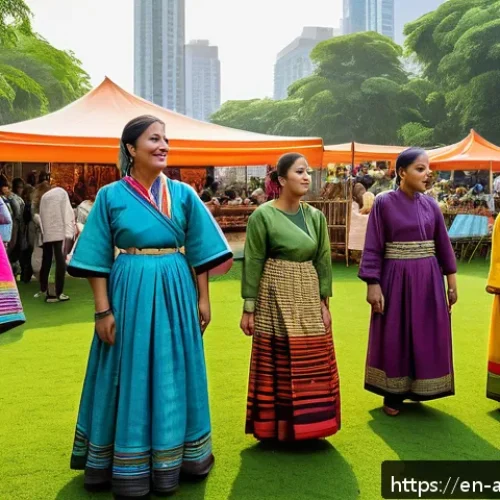
One of the best ways to experience intangible cultural heritage firsthand is to attend local festivals and events. These events often feature live music, dance performances, craft demonstrations, and traditional food.
I always make a point of attending the annual Celtic festival in my city, where I can enjoy traditional music, dance, and food from Ireland, Scotland, and Wales.
Support Local Artisans and Craftspeople
Supporting local artisans and craftspeople is another great way to help preserve intangible cultural heritage. By purchasing their products and attending their workshops, you can help them keep their traditions alive.
I often visit local craft fairs and markets to buy handmade jewelry, pottery, and textiles. Here is a table summarizing key aspects of Intangible Cultural Heritage:
| Aspect | Description | Examples |
|---|---|---|
| Traditions | Practices passed down through generations | Folk dances, oral traditions |
| Skills | Artisan skills and crafts | Weaving, pottery |
| Rituals | Cultural rituals and celebrations | Festivals, religious ceremonies |
| Knowledge | Traditional knowledge systems | Traditional medicine, ecological knowledge |
The Economic Impact: Heritage as a Resource
Intangible cultural heritage can also have a significant economic impact on communities. By promoting cultural tourism and supporting local crafts, these traditions can generate income and create jobs.
I’ve seen communities use their cultural heritage to attract tourists, create sustainable businesses, and improve their quality of life.
Cultural Tourism: A Growing Industry
Cultural tourism is a growing industry that can provide economic benefits to communities with rich intangible cultural heritage. Tourists are often drawn to places with unique cultural traditions, and they are willing to spend money on accommodations, food, and souvenirs.
In Santa Fe, New Mexico, the city’s vibrant art scene and Native American traditions attract tourists from around the world, generating millions of dollars in revenue each year.
Supporting Local Economies: Crafts and Souvenirs
Supporting local crafts and souvenirs is another way to boost the economic impact of intangible cultural heritage. By purchasing handmade products, tourists can help local artisans and craftspeople earn a living and keep their traditions alive.
I always try to buy souvenirs that are made locally, such as handwoven textiles, pottery, or jewelry.
Future-Proofing Heritage: Challenges and Opportunities
Looking ahead, there are both challenges and opportunities for safeguarding intangible cultural heritage. By addressing these challenges and seizing these opportunities, we can ensure that these traditions continue to thrive for generations to come.
Adapting to Change: Innovation and Creativity
One of the biggest challenges is adapting to change. As societies evolve, cultural traditions must also adapt to remain relevant. This requires innovation and creativity.
I’ve seen communities use technology to create new forms of expression that build on their traditional heritage.
Global Collaboration: Sharing Best Practices
Global collaboration is also essential for safeguarding intangible cultural heritage. By sharing best practices and working together, we can learn from each other and develop effective strategies for preservation.
UNESCO plays a crucial role in fostering international cooperation in this field. I hope this exploration has sparked your curiosity about the fascinating world of intangible cultural heritage.
It’s a treasure trove of stories, skills, and traditions that connect us to our past, shape our present, and inspire our future. Let’s all do our part to celebrate and safeguard these precious cultural gems!
Okay, I understand. Here’s the blog post content you requested.
Wrapping Up
Exploring intangible cultural heritage is like embarking on a global treasure hunt, uncovering the unique traditions and practices that define communities around the world.
From the rhythmic beats of music and dance to the savory flavors of traditional cuisine, these cultural expressions are a testament to human creativity and resilience.
Let’s continue to cherish and protect these invaluable treasures for generations to come.
Good to Know
Here are a few things to keep in mind as you continue to explore the world of intangible cultural heritage:1. UNESCO’s Role: The United Nations Educational, Scientific and Cultural Organization (UNESCO) plays a vital role in safeguarding intangible cultural heritage through its programs and initiatives.
2. Living Heritage: Intangible cultural heritage is not static; it’s constantly evolving and adapting to changing circumstances. 3.
Community Involvement: The preservation of intangible cultural heritage relies heavily on the active participation of communities and tradition bearers.
4. Cultural Diversity: Intangible cultural heritage is a celebration of cultural diversity and a reminder of the importance of intercultural dialogue.
5. Take Action: You can support intangible cultural heritage by attending local festivals, supporting local artisans, and learning about different cultural traditions.
Key Takeaways
* Intangible cultural heritage encompasses a wide range of cultural expressions, including traditions, skills, rituals, and knowledge systems. * Preserving intangible cultural heritage is crucial for maintaining cultural diversity and fostering intercultural dialogue.
* Technology can play a vital role in documenting, sharing, and promoting intangible cultural heritage. * Everyone can contribute to the preservation of intangible cultural heritage by attending festivals, supporting local artisans, and learning about different cultures.
* Intangible cultural heritage can have a significant economic impact on communities by promoting cultural tourism and supporting local crafts.
Frequently Asked Questions (FAQ) 📖
Q: ) about intangible cultural heritage, designed to engage readers and optimize for an English-speaking audience:
A: UNESCO (the United Nations Educational, Scientific and Cultural Organization) plays a major role in safeguarding intangible cultural heritage through its 2003 Convention.
This involves identifying, documenting, protecting, promoting, and revitalizing these traditions. Many countries also have their own national inventories and programs.
You can get involved by attending cultural festivals and performances, supporting local artisans, learning traditional skills, and sharing your own family or community traditions with others.
Consider volunteering at a local cultural center or historical society. A few years ago, I volunteered at a Native American cultural center and helped document traditional weaving techniques.
It was an incredibly rewarding experience that allowed me to contribute to the preservation of a vital cultural practice. You can also support organizations dedicated to preserving these traditions through donations or advocacy.
Every little bit helps ensure these invaluable aspects of our shared heritage continue to thrive.